









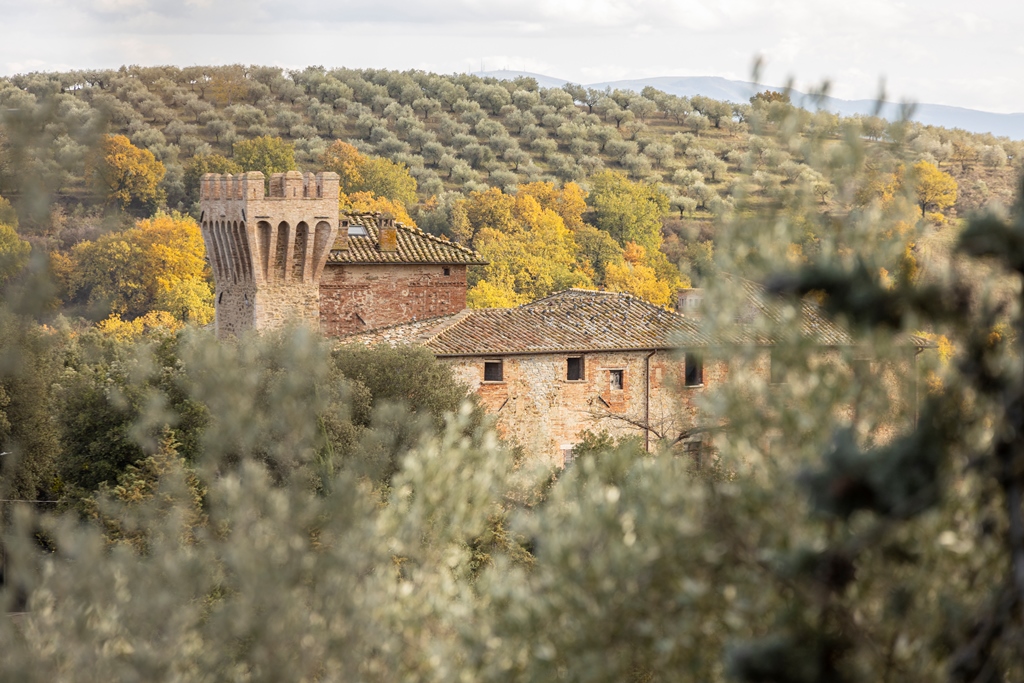
Castle and fortress of Sant' Apollinare
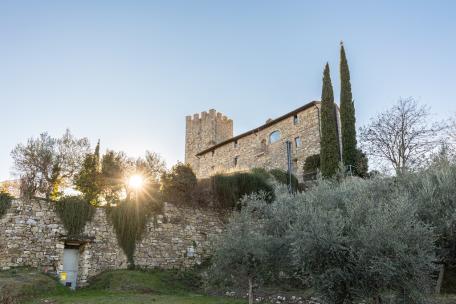
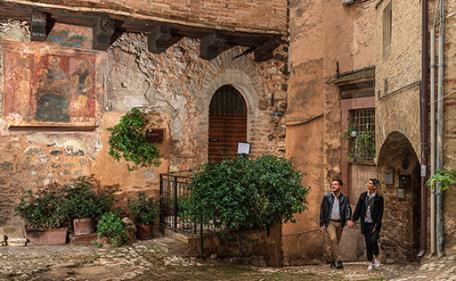
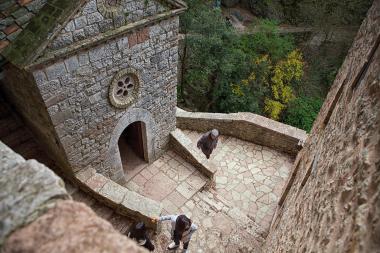
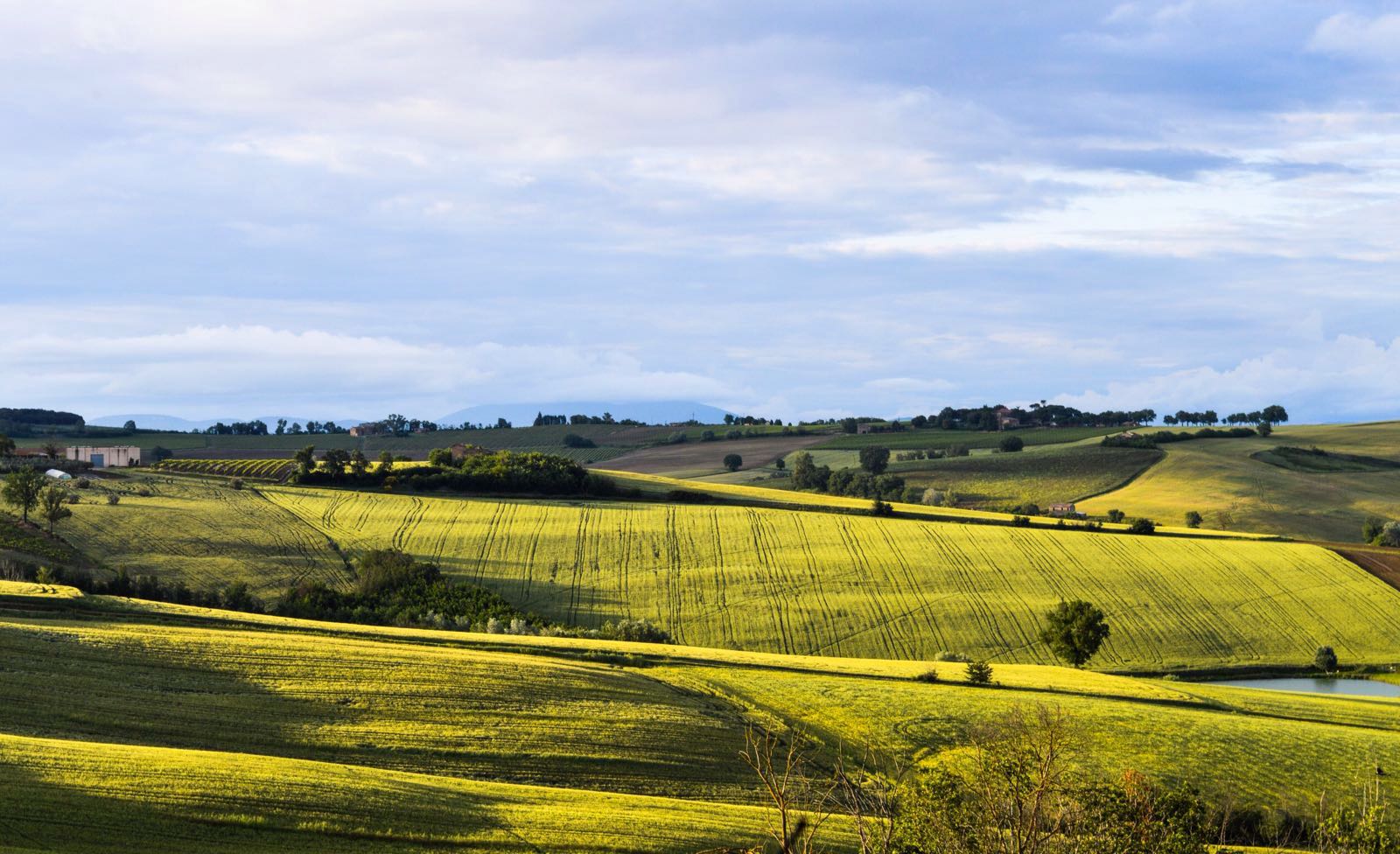
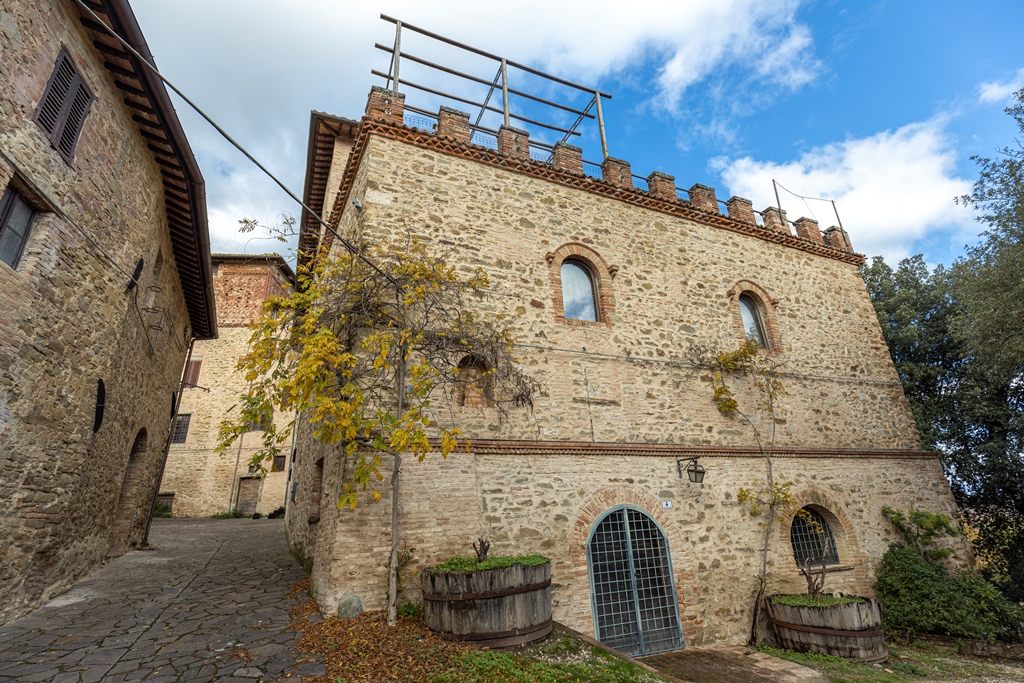
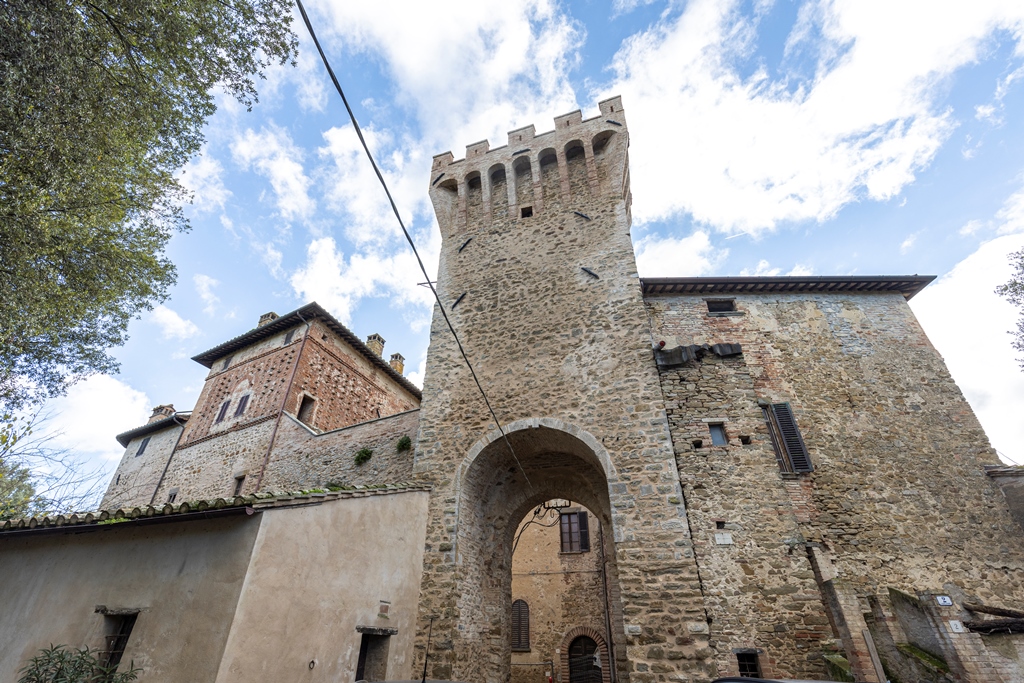
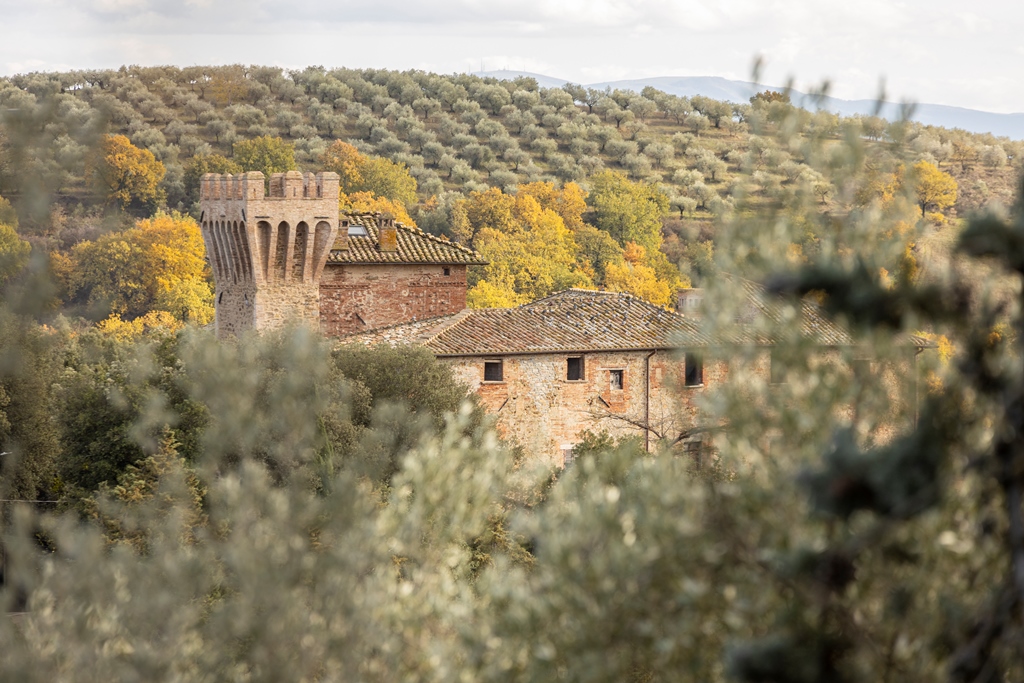
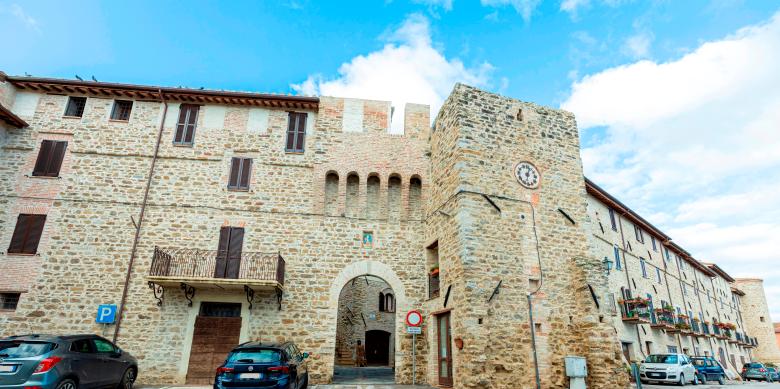
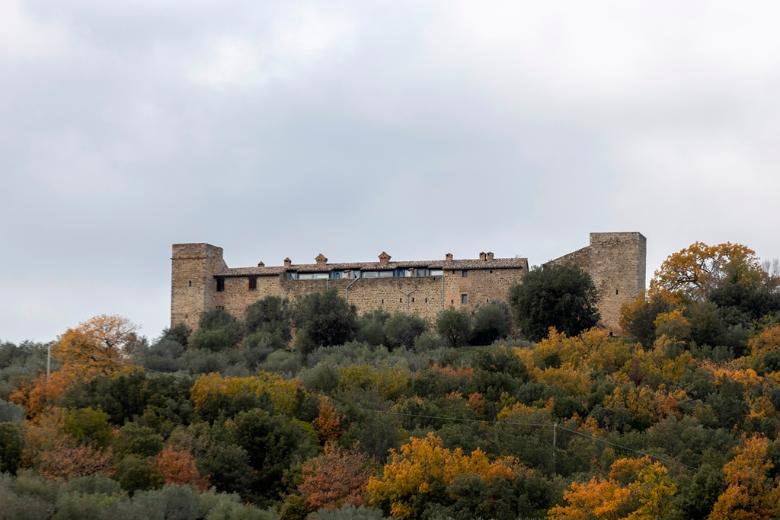
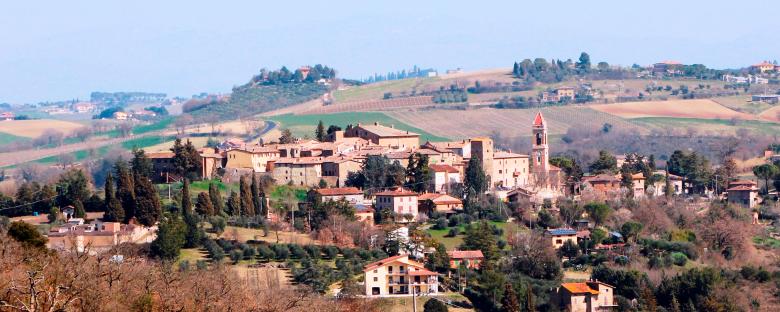
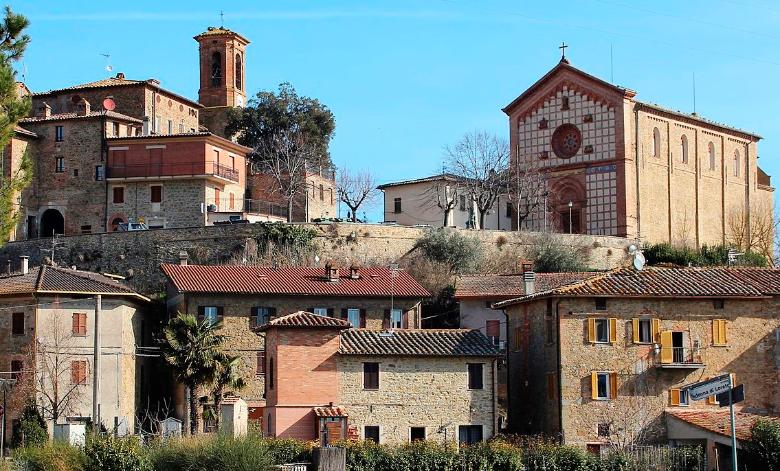
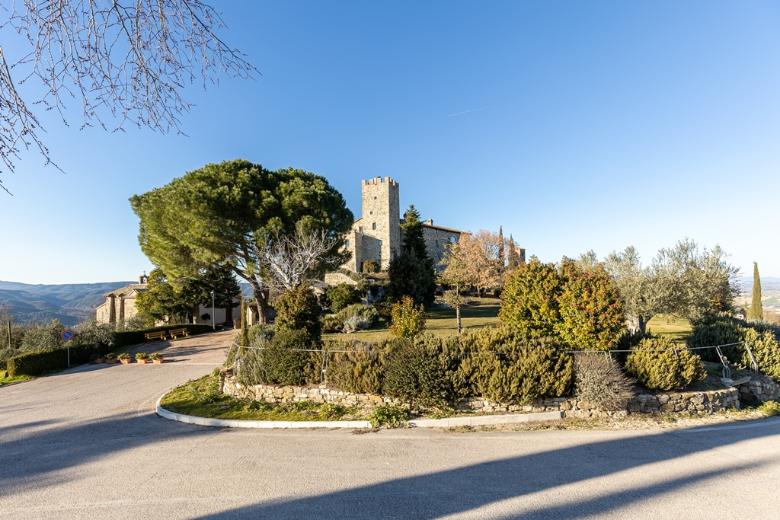
The medieval village of Sant'Apollinare, situated on a hill, has an amazing view of the Nestore Valley. Near the castle, dating back to the 11th century, there is an imposing fortress, the settlement of the Benedictine monks of the Abbey of San Pietro in Perugia.
The history of the castle and the rock
The curious dedication to the Ravenna saint Sant'Apollinare is explained by the fact that the cult of this figure was widely spread throughout the Byzantine Corridor, which included the Nestor Valley.
The Curtis of San Marie Apollinaris was donated in 1030 by the local lord – Ugone, son of Alberigo to the Abbey of Farfa but, a few decades later, the abbot of Farfa gave it in lease to the Abbey of San Pietro in Perugia, which gained possession of the whole territory over time. The population of the castle drastically declined from the 14th century due to famines, plagues, and the earthquake of 1328 that killed over 2,000 people in Umbria. The fortress was sacked and devastated twice: the first, at the behest of the Perugian magistrates due to the bloody events between Abbot Guidalotti and Biordo Michelotti, the second time by the famous commander Braccio Fortebraccio who occupied Sant’Apollinare causing again serious damage. The rock was completely rebuilt and in the following years it repopulated and became a castrum with 195 residents.
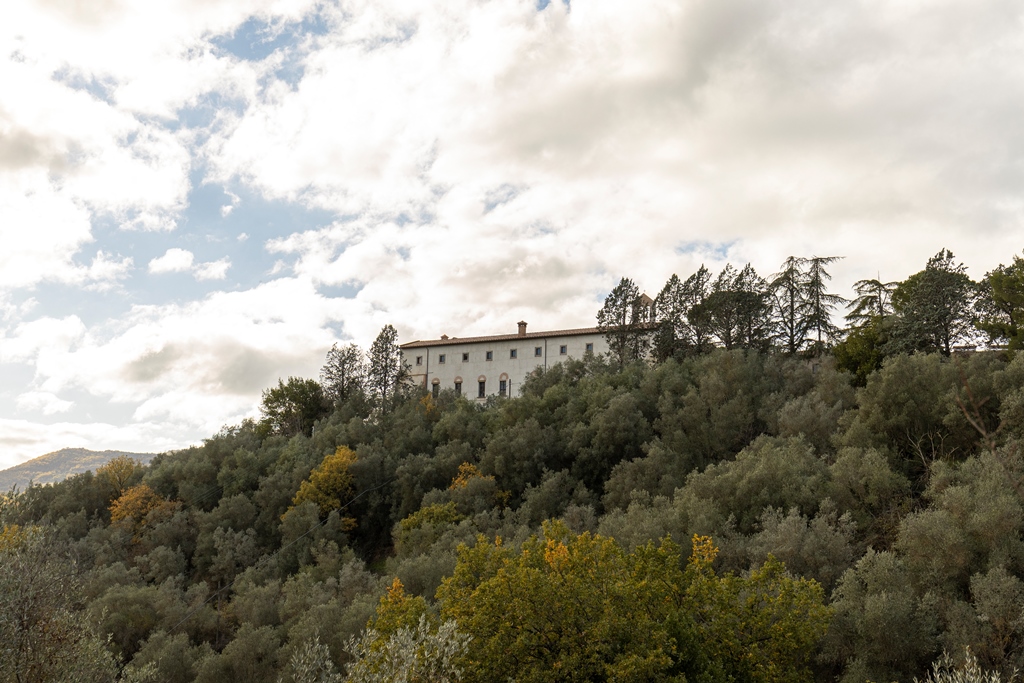
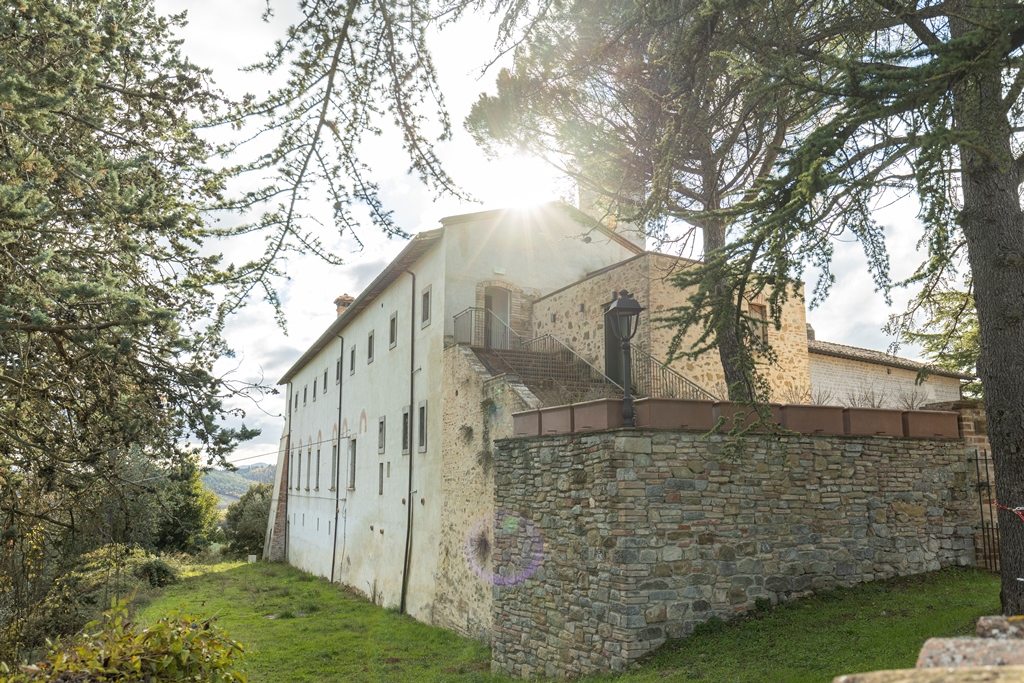
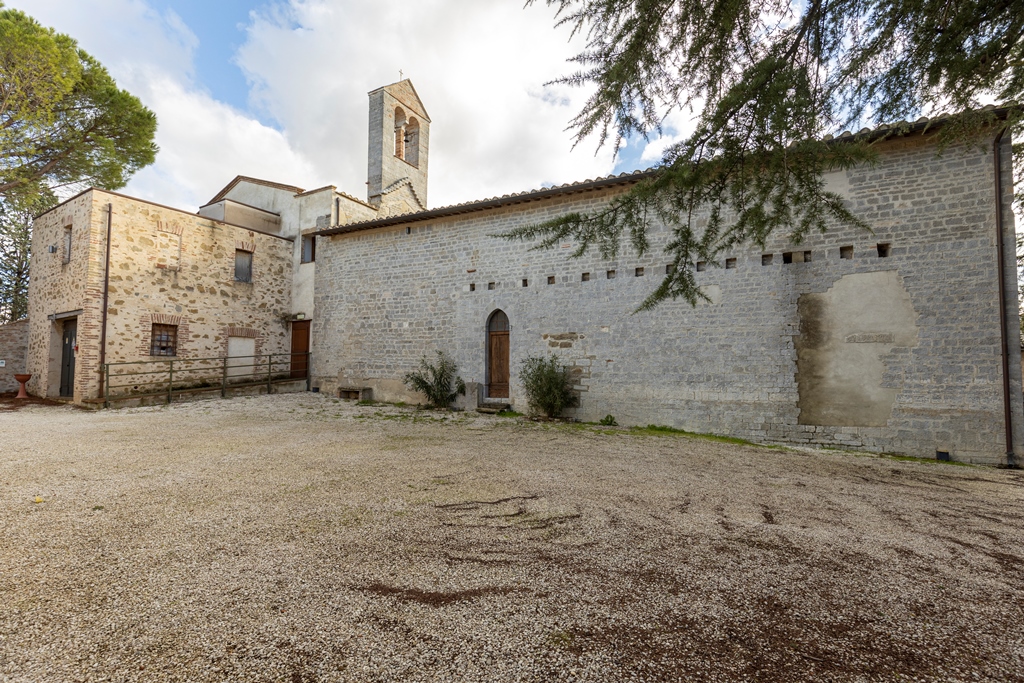
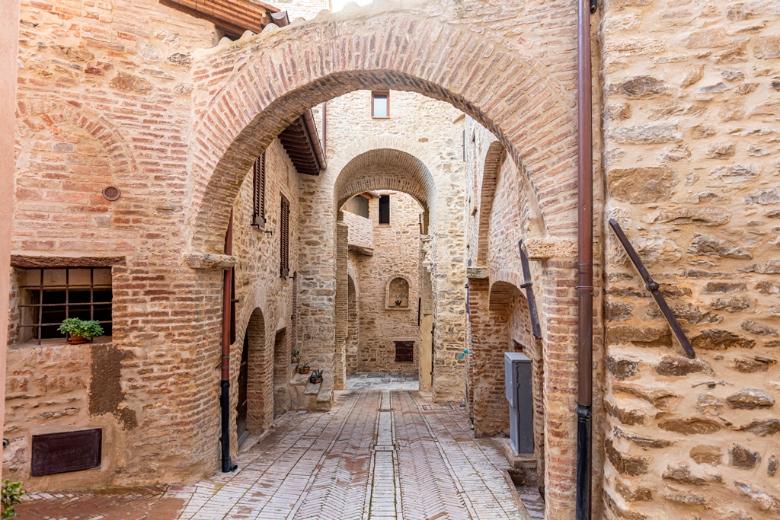
.jpg/238f26cb-17db-2858-79ba-b1eccb22e667?width=780)
.jpg/8e8ec18e-8aa3-a47a-78e3-5c0fe4d2e428?width=780)
.jpg/89753142-3f2f-a583-c054-aa009793cb5e?width=780)