



A tour to discover Marsciano and its villages - Castiglione della Valle, Monticelli, San Biagio della Valle and Badiola
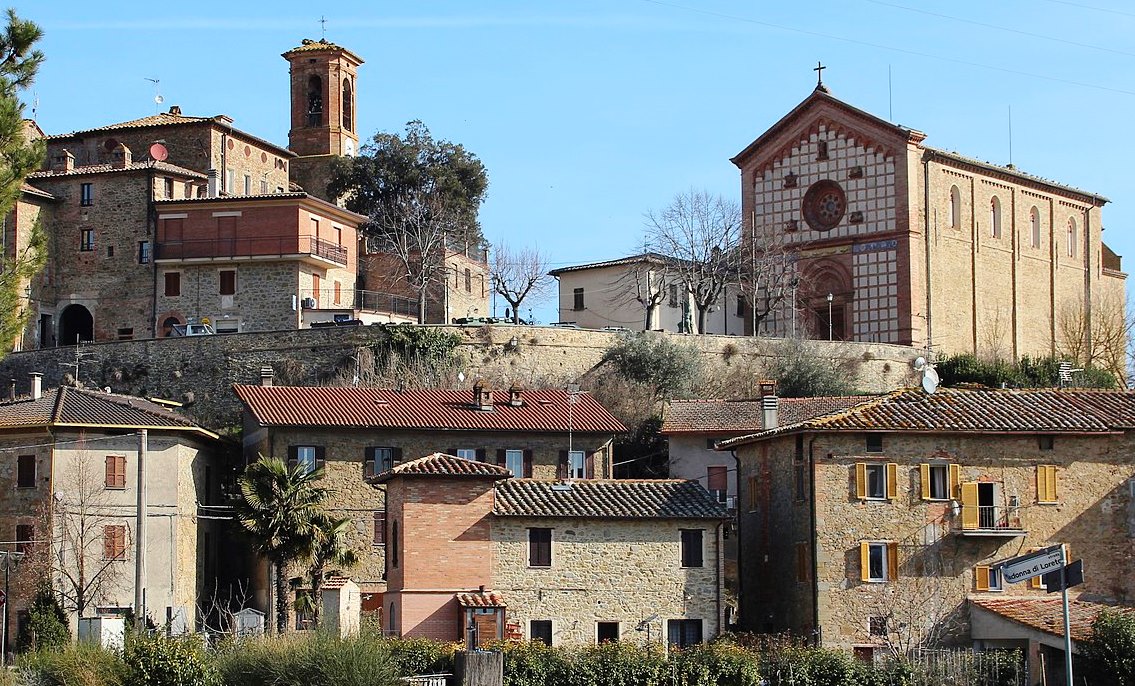
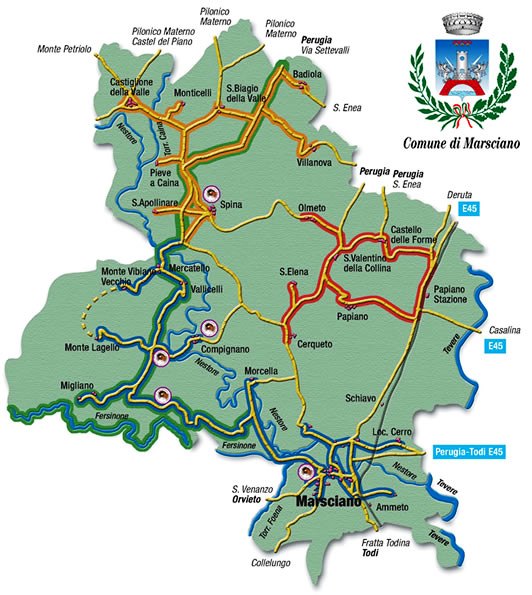
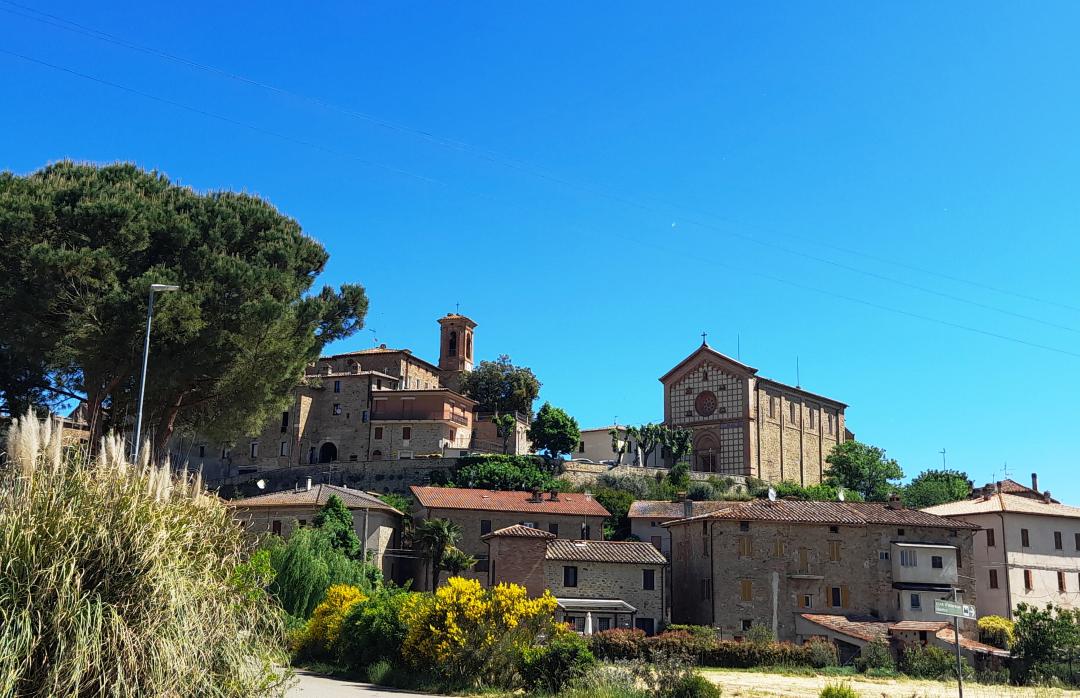
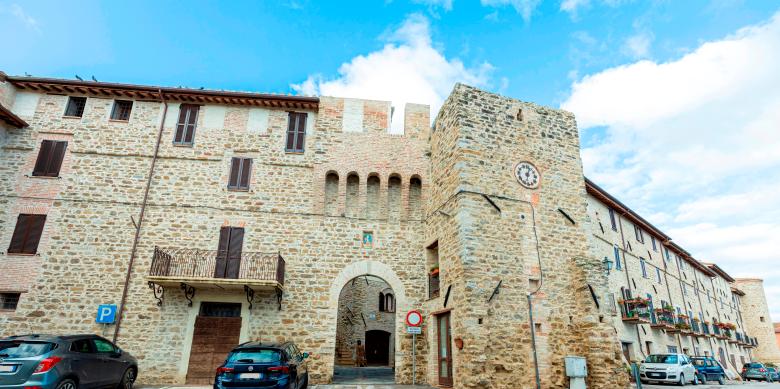
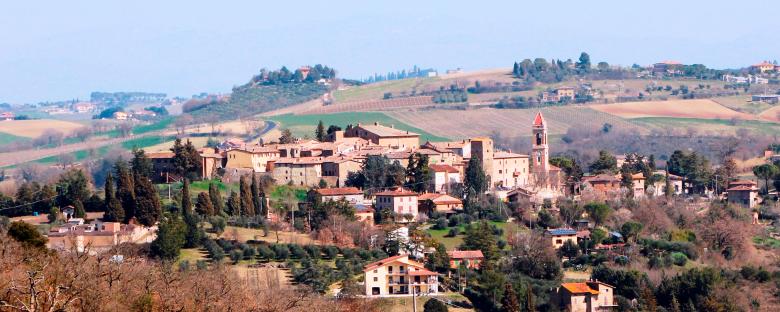
An evocative route along the ancient Settevalli road that connects Perugia to the hamlets of Badiola, Villanova, San Biagio della Valle, Monticelli and Castiglione della Valle - the small villages that "tell" the great stories about the past of these splendid lands. In these areas where human settlement dates back to the prehistoric period, as evidenced by archaeological discoveries such as a tomb from the Rinaldonian age and a 6th-century BC Attic amphora.
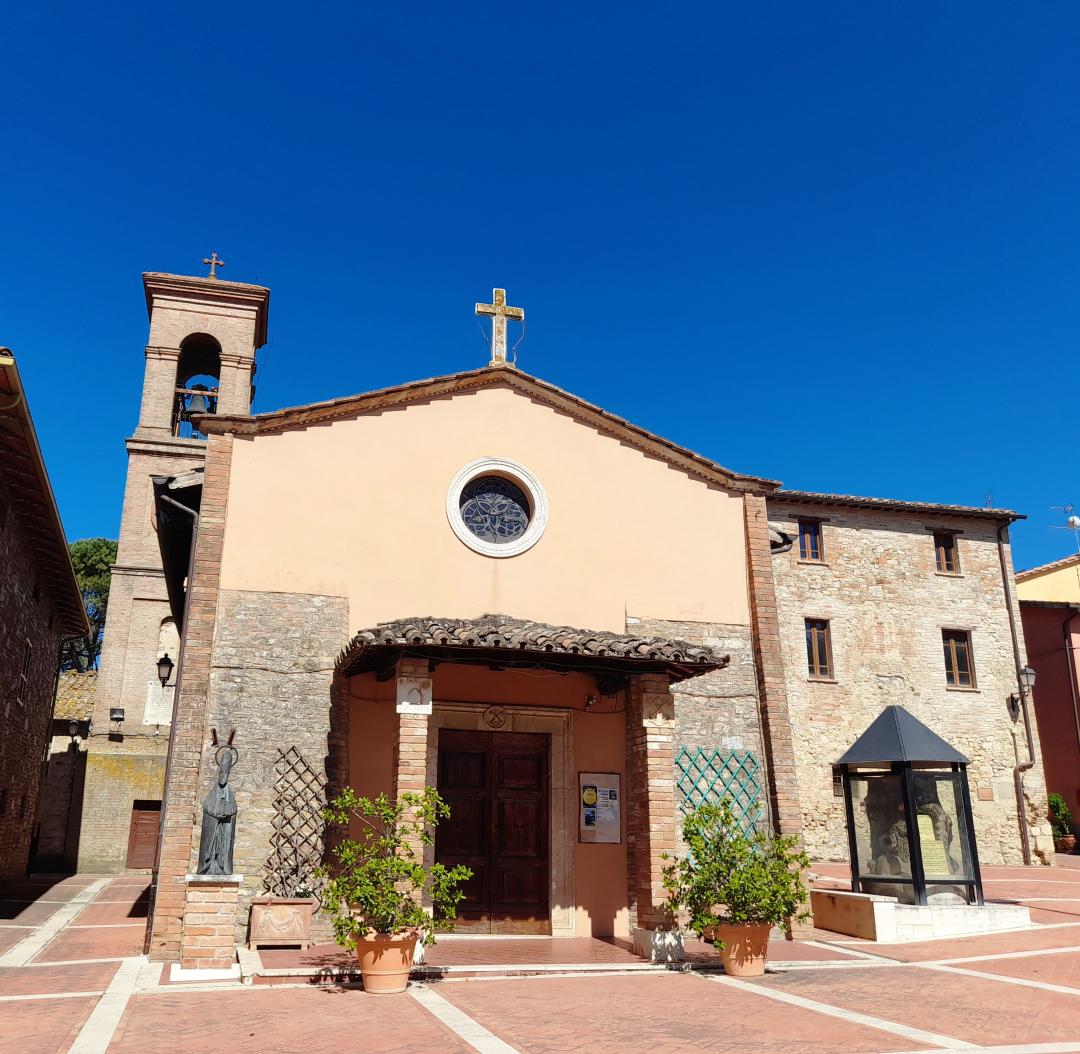
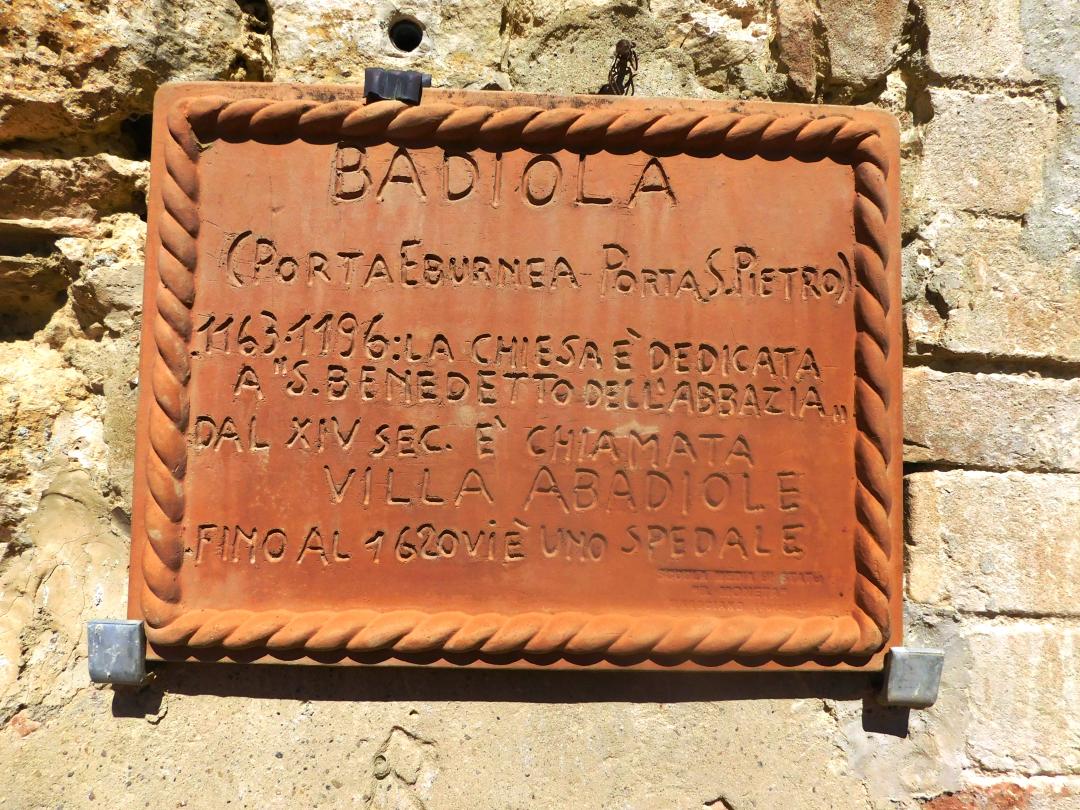
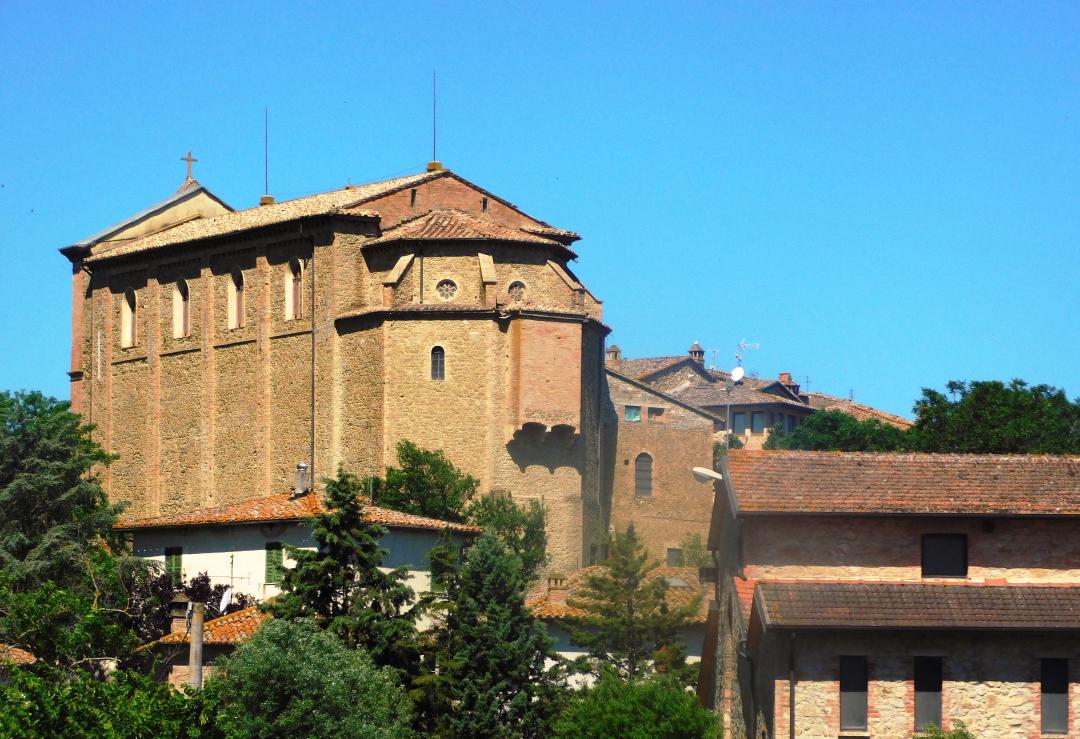
Located at the northernmost point of the municipality of Marsciano is Badiola. This village gains its name from a small 11th-century abbey that no longer exists, but the parish church of San Benedetto remains in its memor. The 16th-century portal bears carved on it the coat of arms of the Benedictine monastery of San Pietro in Perugia, which owned it in the past, and the interior contains a fresco by Carlo Dell'Amico.
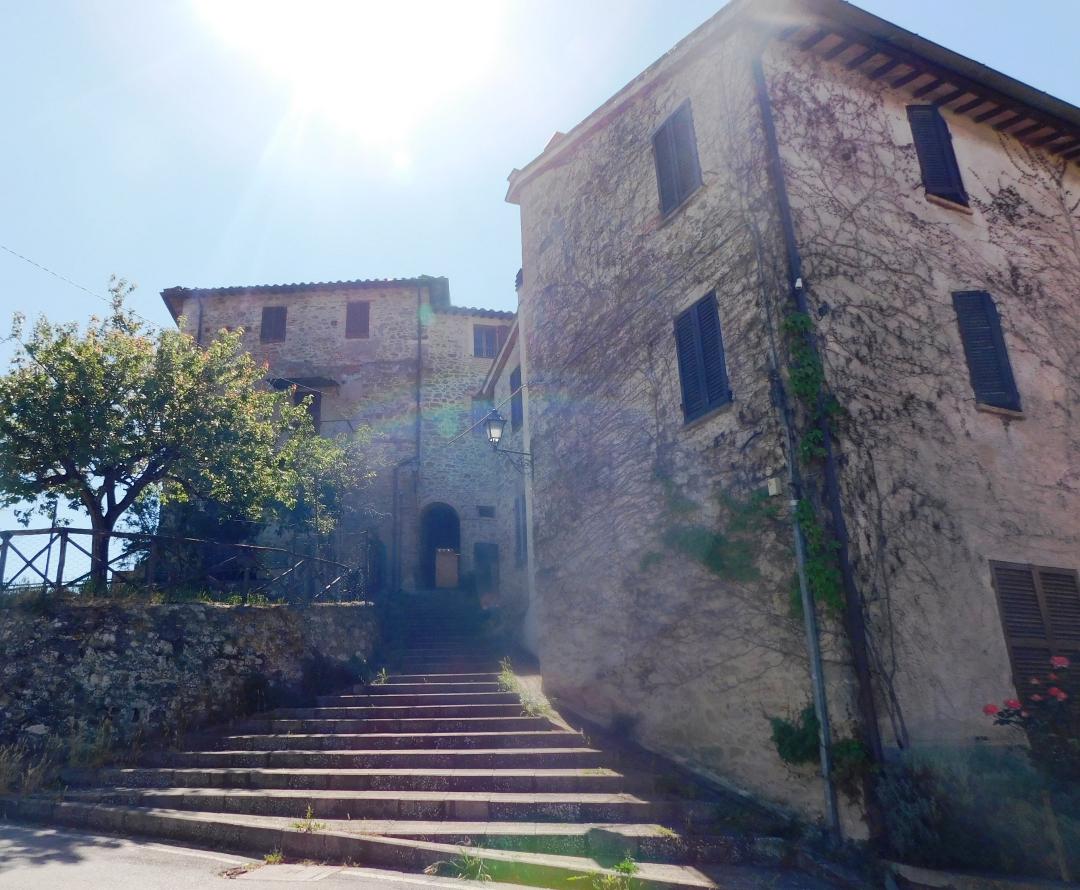
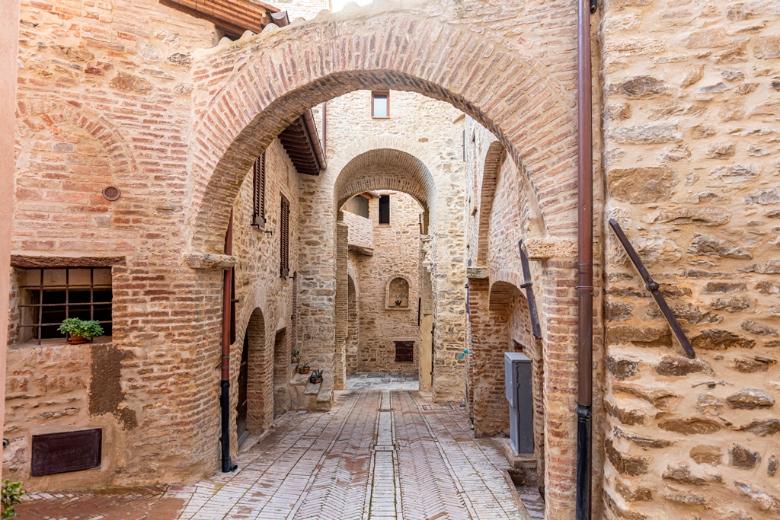
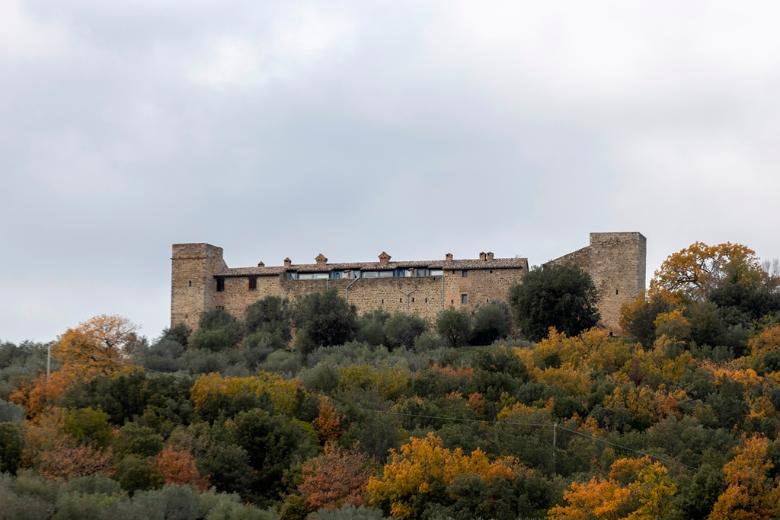
Taking the Settevalli road again, the first fork in the road on the left leads to the pretty little village called Villanova. The name of the castle first appears in a document from 1060. All that remains of the ancient castle are portions of the walls and a 15th-century noble palace with brick arches, which over the centuries belonged to various aristocratic families from Perugia. Of fine workmanship is the wooden crucifix dating from about 1500, kept in the parish church of Santa Maria Annunziata and San Pastore, originally displayed in a Perugia church.
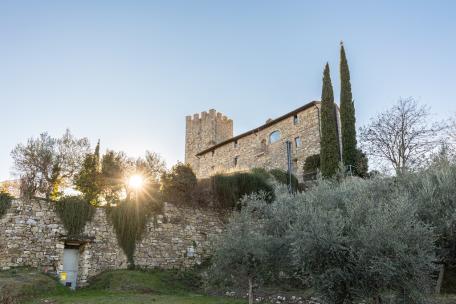
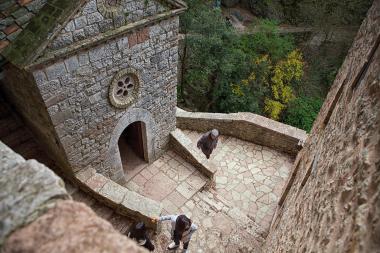
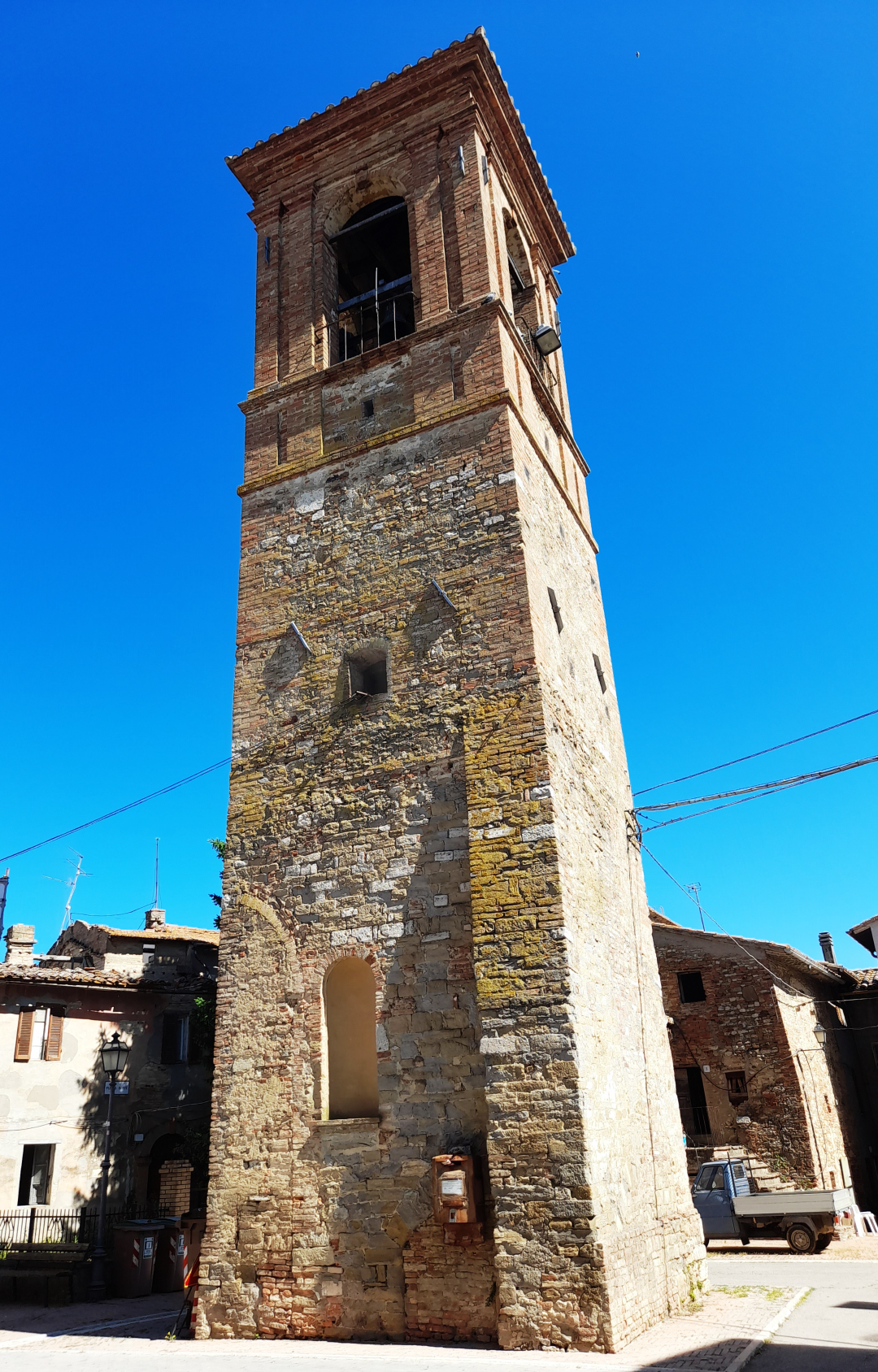
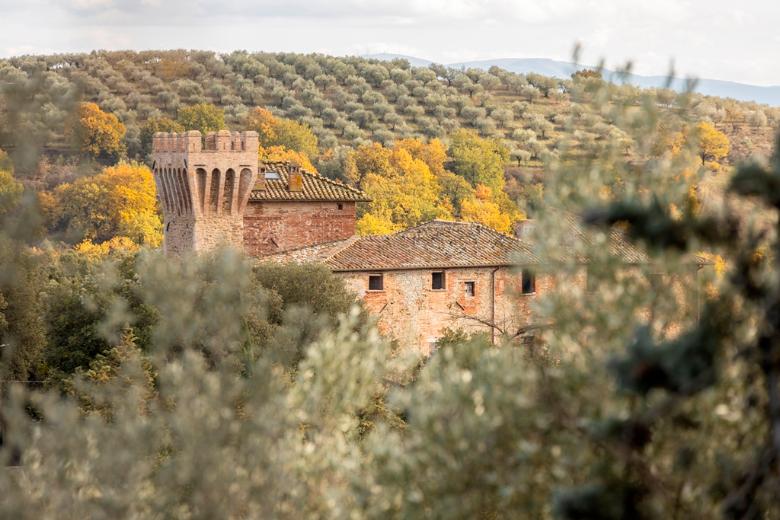
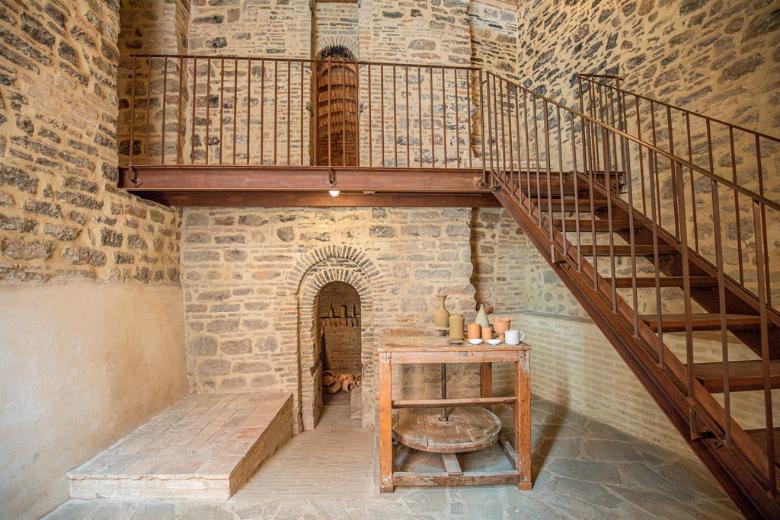
Continuing the journey of discovery of small villages, we return to Settevalli Street and then turn toward San Biagio della Valle. From the slope that leads gently toward the village, we catch a glimpse of the characteristic stone and circular-shaped Tower of San Biagio, the only surviving evidence of the old castle known as early as the 14th century. Conquered by the famous commander Braccio Fortebraccio, the village came under the jurisdiction do Porta Eburnea in 1428. The old castle also boasted an 11th-century Romanesque-style church demolished in 1952, the presence of which witnessed only by the Romanesque-style bell tower and two stones at the altar bearing an inscription and the date 1215. The portal of the ancient church, can be admired in the cloister of the monastery of St. Peter in Perugia.
.jpg/8e8ec18e-8aa3-a47a-78e3-5c0fe4d2e428?width=780)
.jpg/238f26cb-17db-2858-79ba-b1eccb22e667?width=780)
.jpg/4da88bf9-fc4f-a697-0031-a83983b98c69?width=780)
.jpg/89753142-3f2f-a583-c054-aa009793cb5e?width=780)