

Titolo: Castle of Spina - Marsciano

Castle of Spina - Marsciano

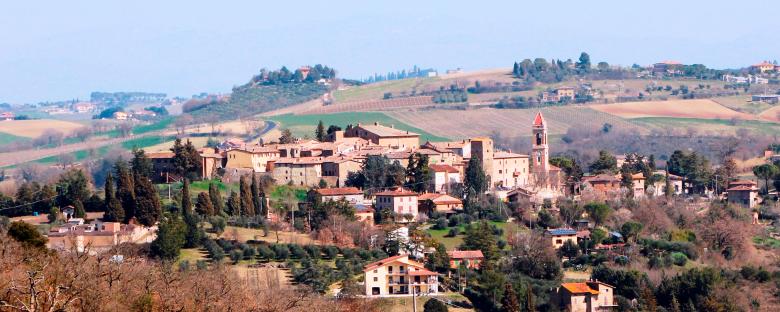
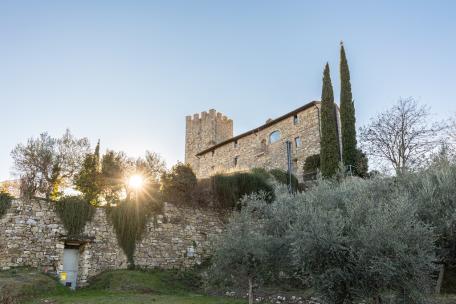
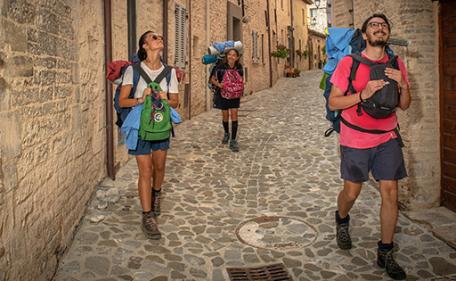
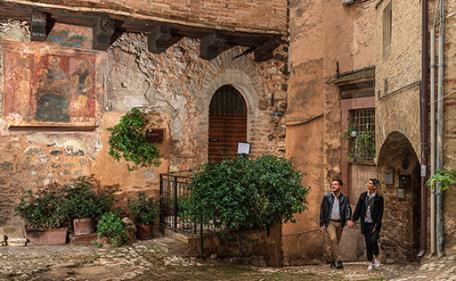
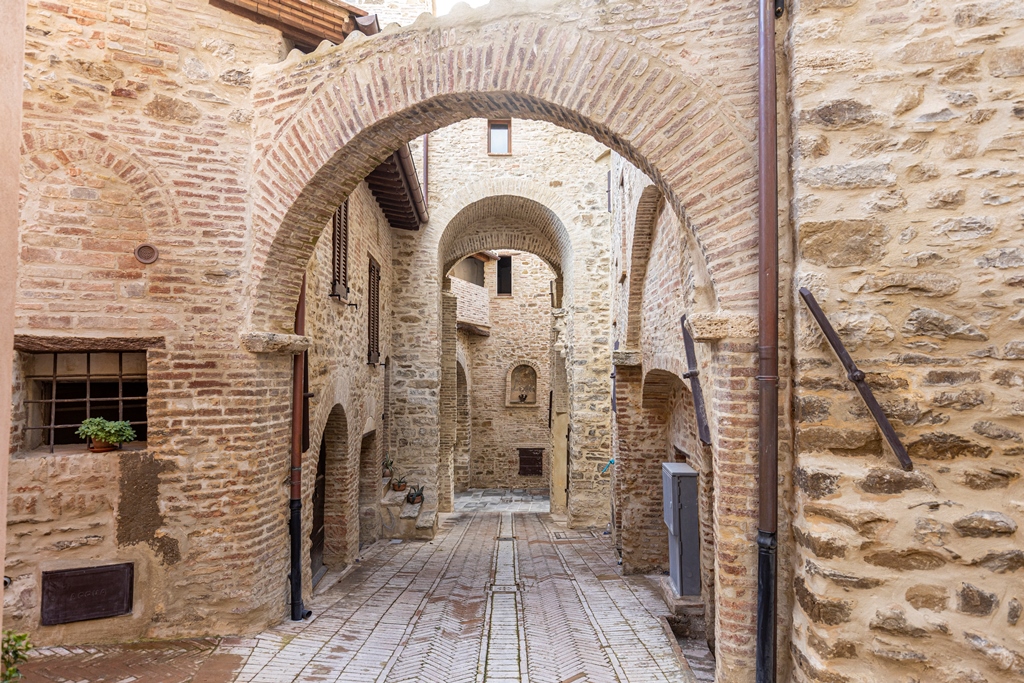
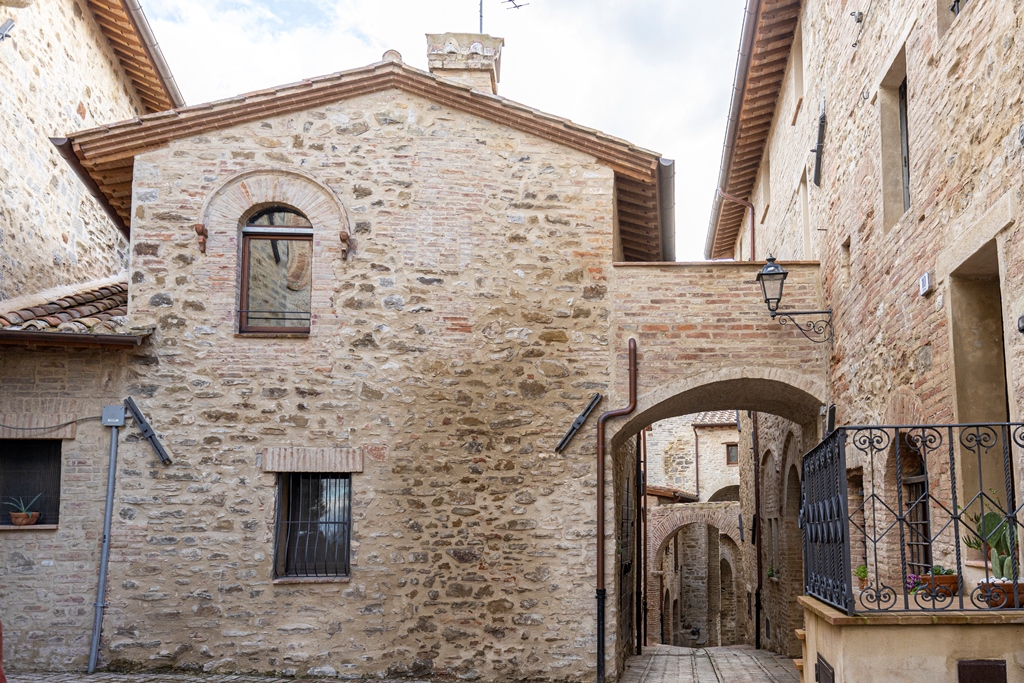
Spina, one of the most important towns in the Municipality of Marsciano, perfectly restored after the 2009 earthquake, returned to its original splendor with narrow and twisted streets, an imposing city wall and noble palaces of the most important Perugian families of the past.

The history of the Castle

There is some evidence that Spina originated on an Etruscan settlement which was later abandoned, but the first document in which it appears is a diploma signed by Federico Barbarossa in XII century. In 1260, the castle was part of the Perugian district of Porta Eburnea. The town of Spina was surrounded and fortified by walls under Perugia's control, but in 1312 it was partially destroyed during the disastrous siege of Henry VIII's troops on their way to Rome. The castle was not spared even by the troops of the famous commander Braccio Fortebraccio who in 1416 attacked the castle three times before storming and sacking it.

In XIX century, the Workers' Mutual Aid Society was founded, managed independently by its members. During these years, the town began to grow outside the city walls.
Art, Culture, Environment

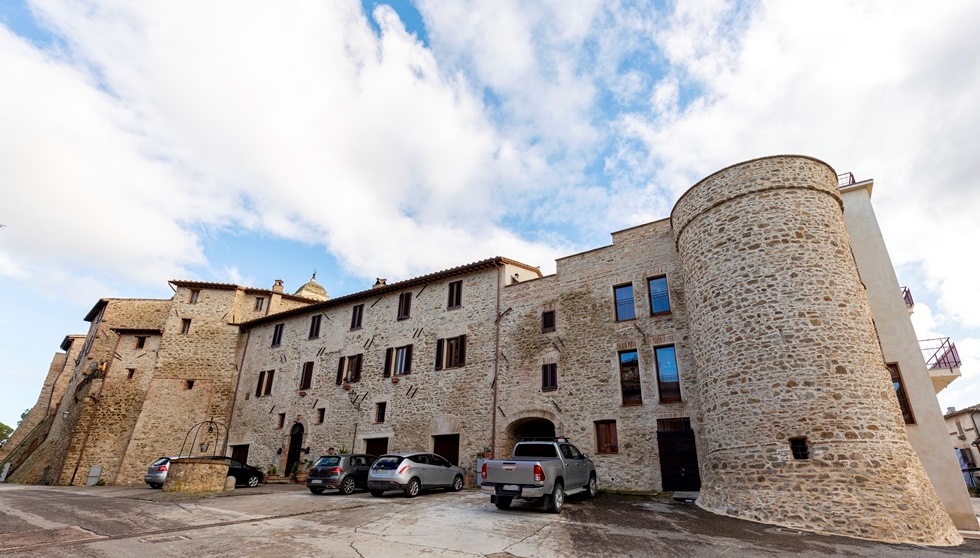
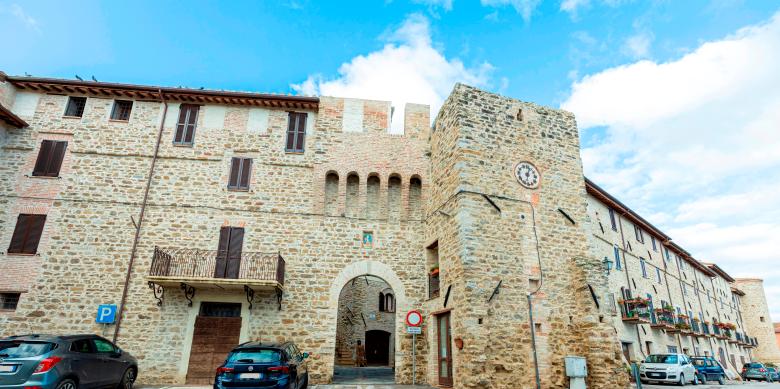
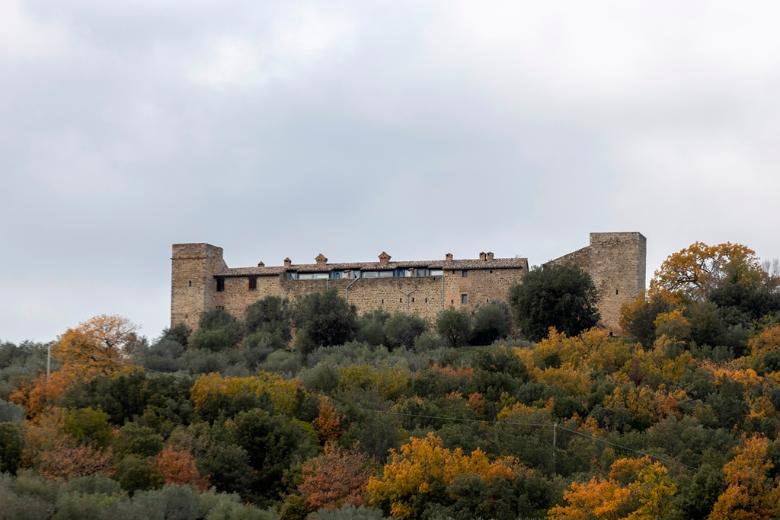
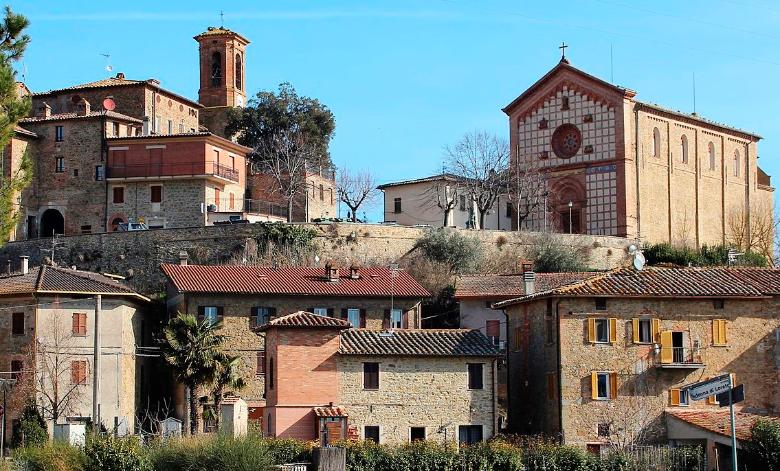
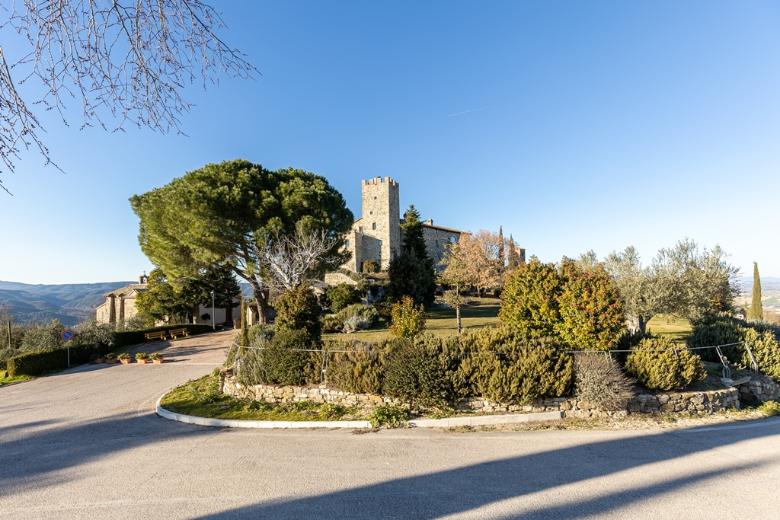
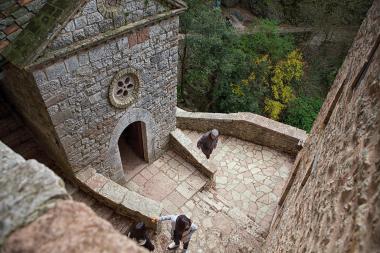
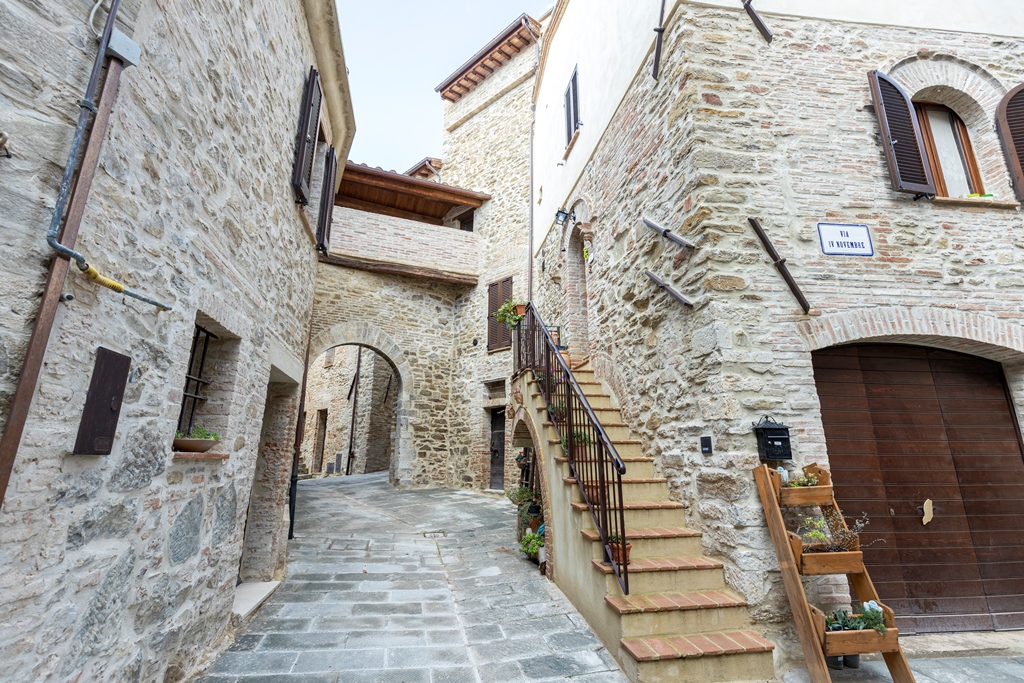
Many remaining parts of the castle's medieval character can still be seen with its robust walls, the main entrance surmounted by a large arch, and its two circular towers. During a walk in the ancient town, is possible to notice numerous terracotta elements that characterize the architectural style of the 15th century in Perugia, with brick arches and houses with two-story constructions.

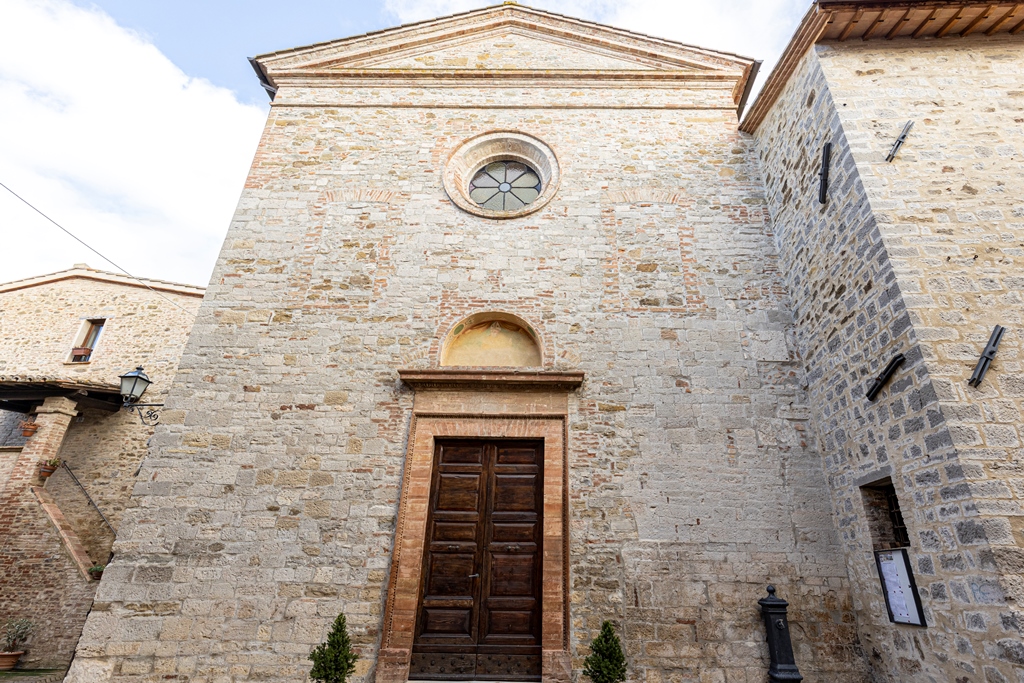
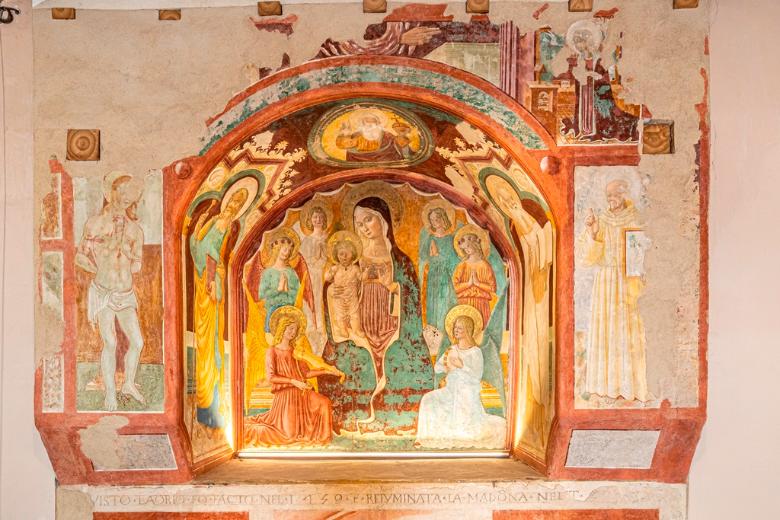
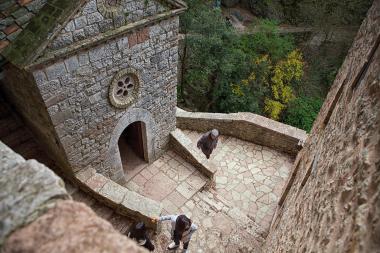
The walk along the main street leads to the parish church of San Nicolò and San Faustino. It is dedicated to both Saint Nicolò bishop of Mira and to Saint Faustino, patron of Spina whose remains are preserved in the church.

Curiosity

In the old castle of Spina, was installed the Museum Antenna of Spina, adding to the Dynamic Museum of Brick and Terracotta in Marsciano. A place named after a passionate local scholar, Rossana Ciliani, was inaugurated on May 26, 2002 in what was formerly a cellar. There is a collection of tools from various ancient crafts that is preserved in various completely restored rooms, an exhibition dedicated to the production of wine and the traditional processing of iron, along with stories about the ancient localized kilns along the Via Orvietana. A large archive of documents, maps, drawings, and books on the agricultural history of the area enriches the collection.

Events not to be missed

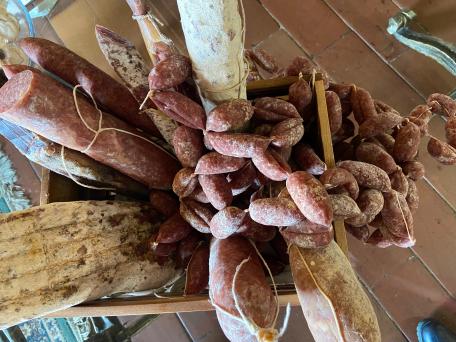
Sagra del Barbozzo and typical products of Umbria, the best gastronomy accompanied by dance evenings in the country, in the summer.

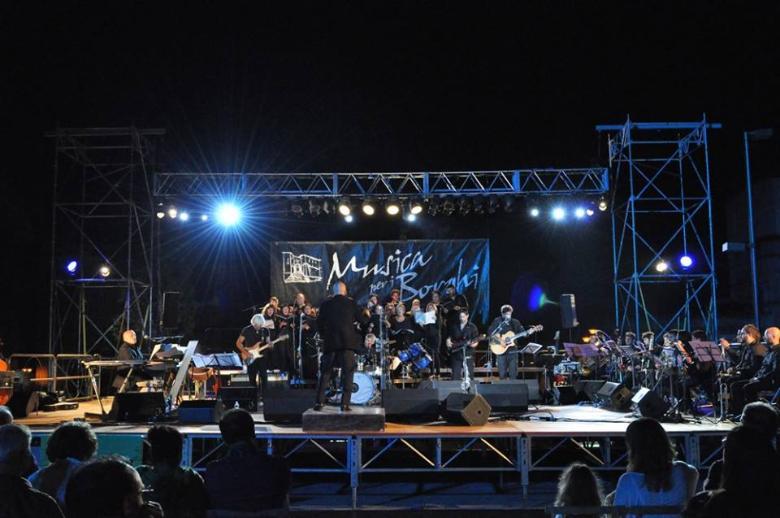
GeckoFest Evoluzioni, an event full of music, art, culture, innovation and biodiversity laboratories organized in September.

For information: http://geckofest.it/

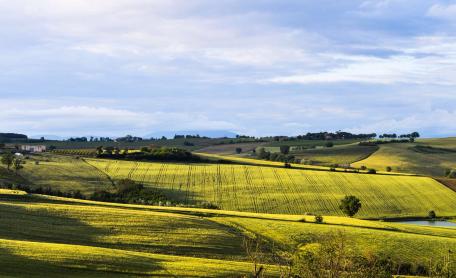
Explore the surroundings
Main attractions in the vicinity