

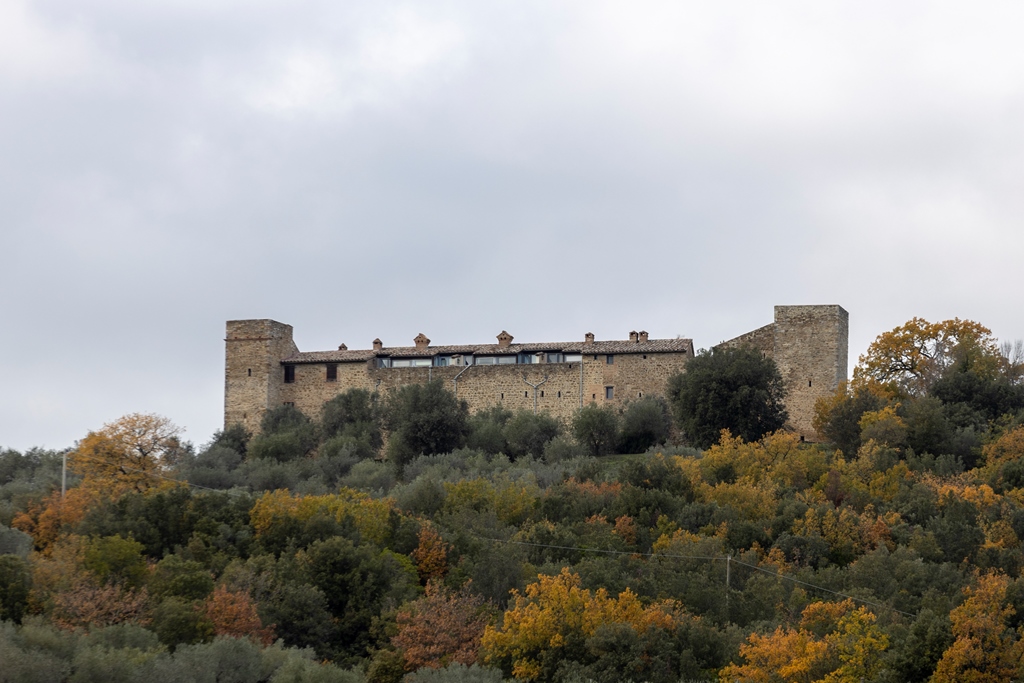
Titolo: Marsciano, the land of medieval castles - Compignano, Montelagello e Migliano

Marsciano, the land of medieval castles - Compignano, Montelagello e Migliano

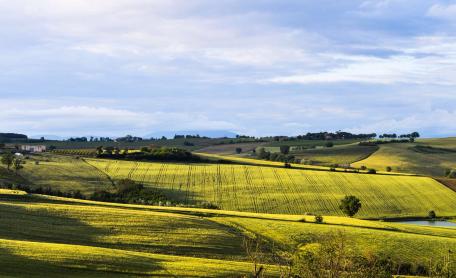
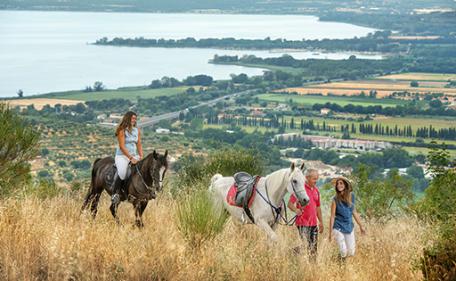
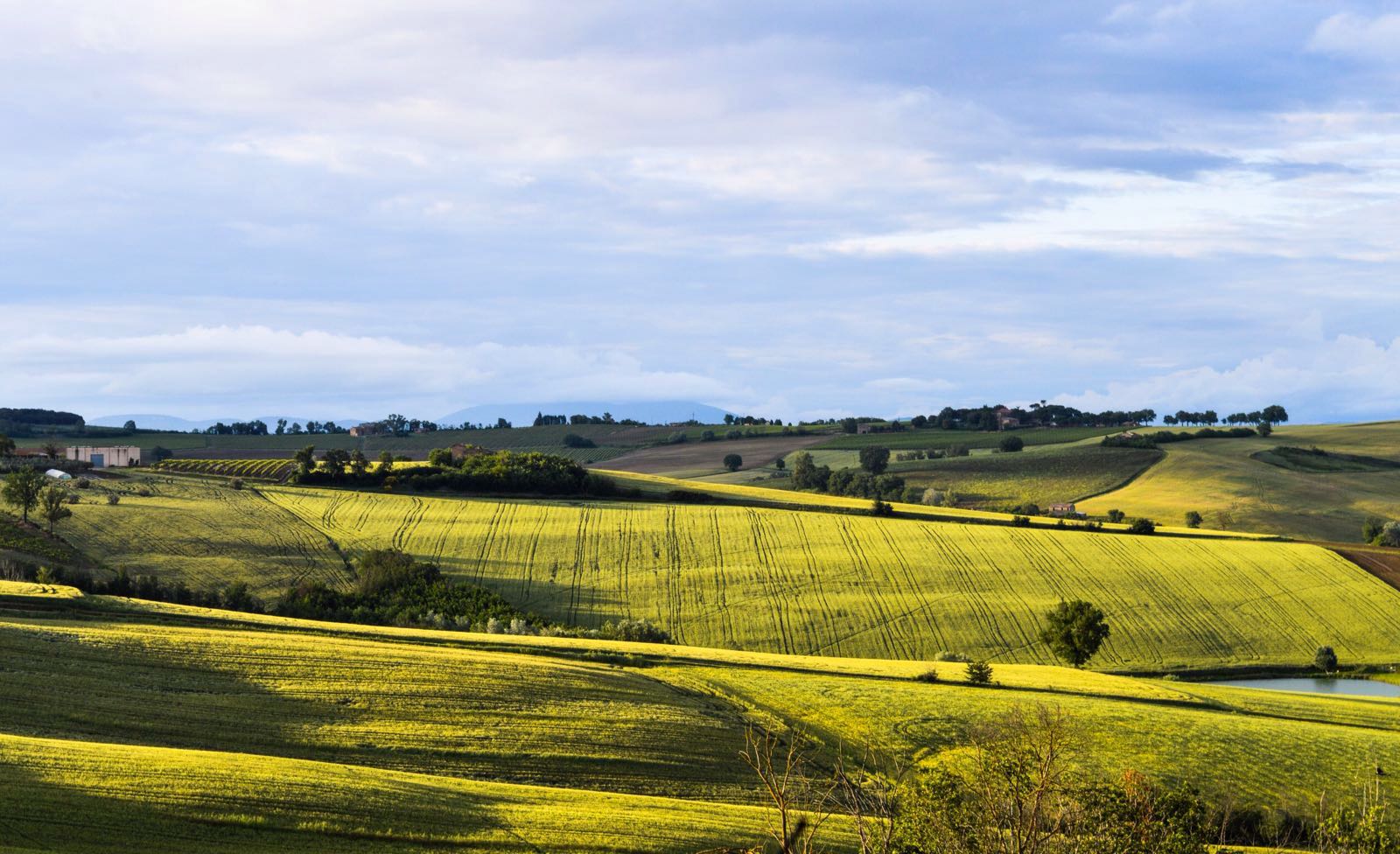
Marciano's territory surprises visitors with its typical Umbrian landscape, characterized by fertile valleys and gentle hills sprinkled with medieval castles. The fortified villages of Montelagello, Migliano, and Compignano are testimony to a long-ago past that is rich in history and popular tradition.

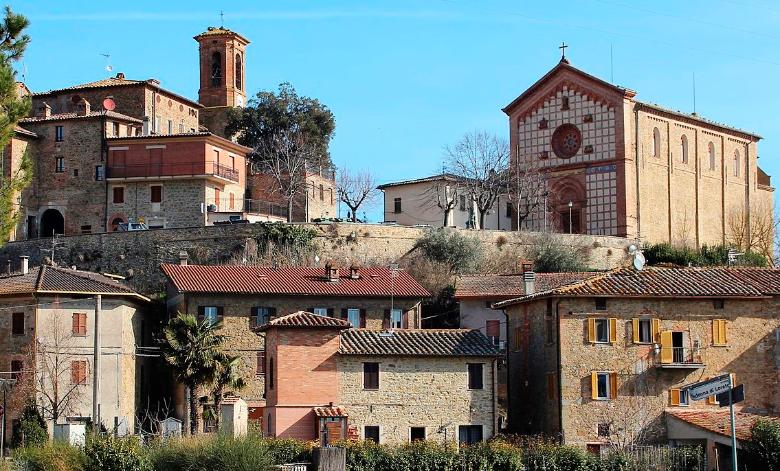
Compignano

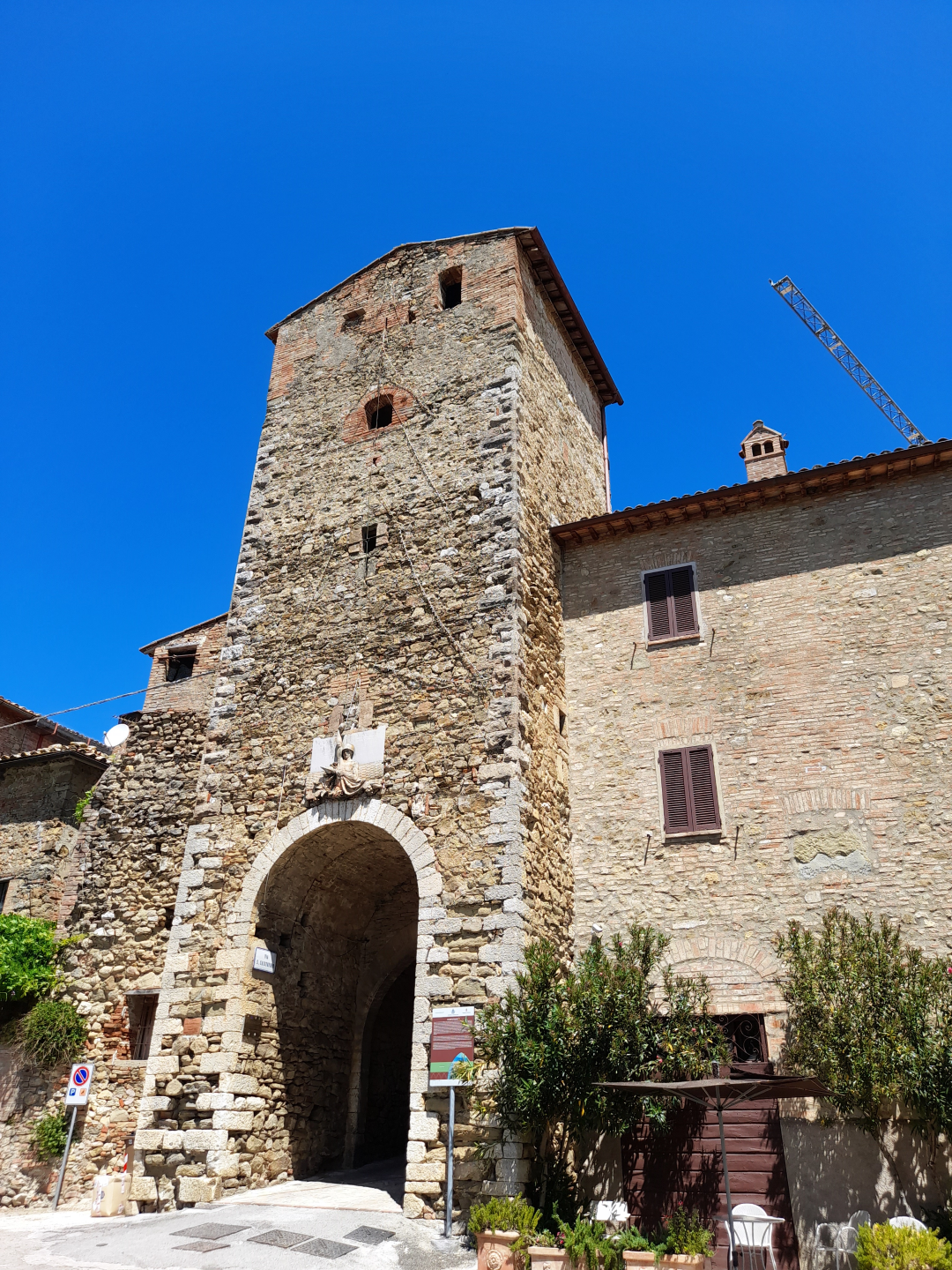
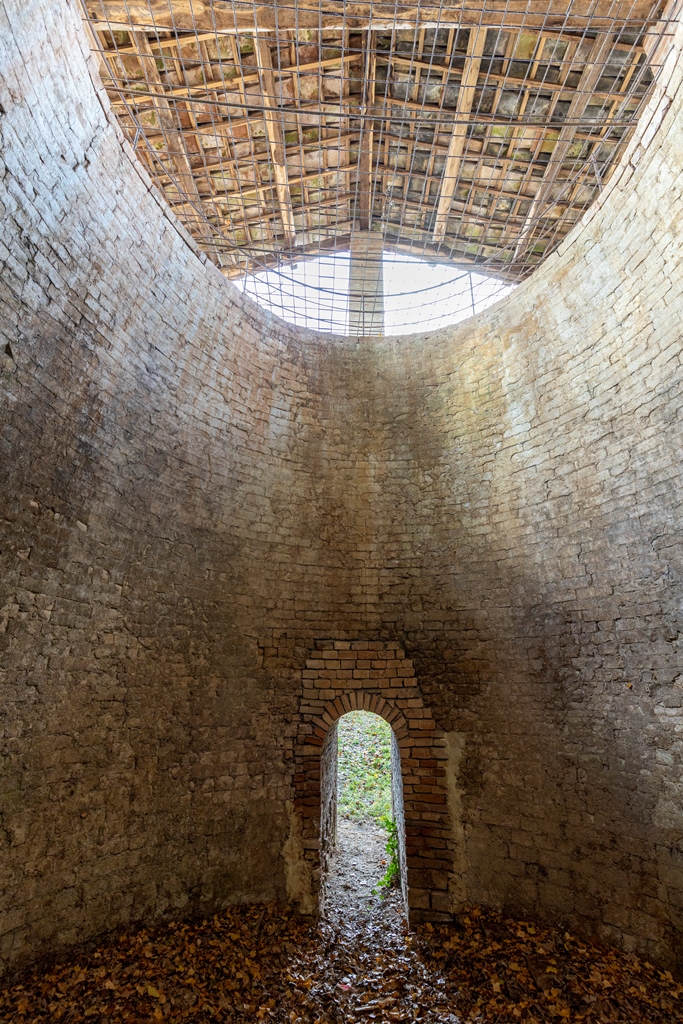
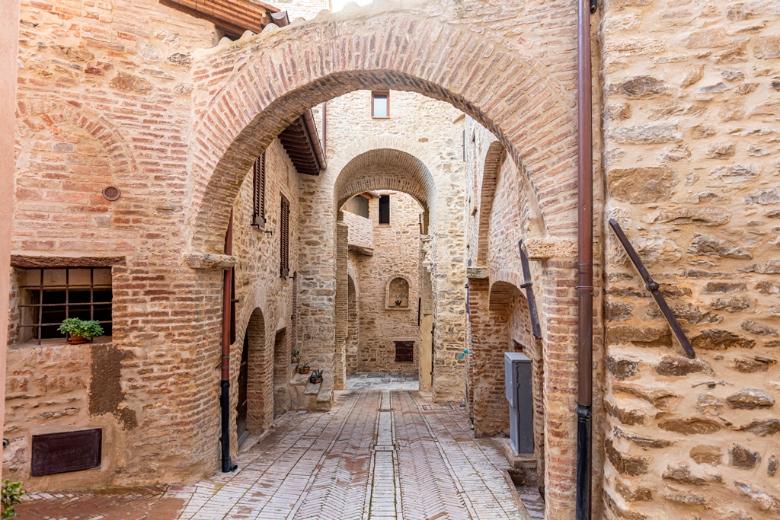
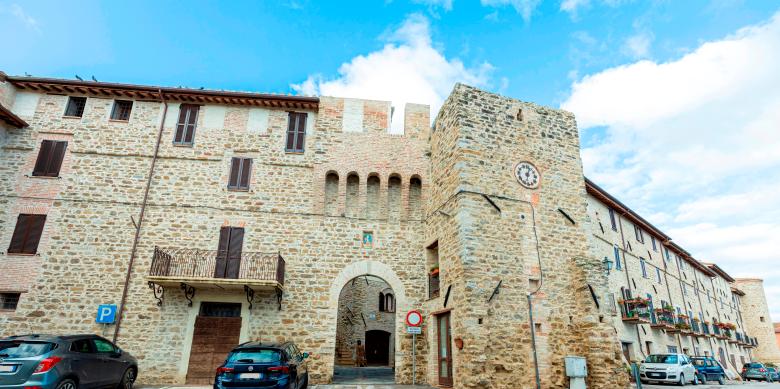
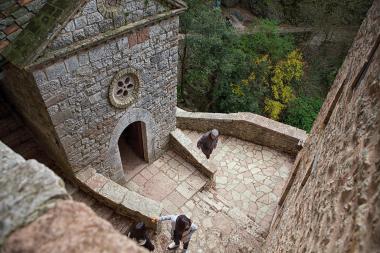
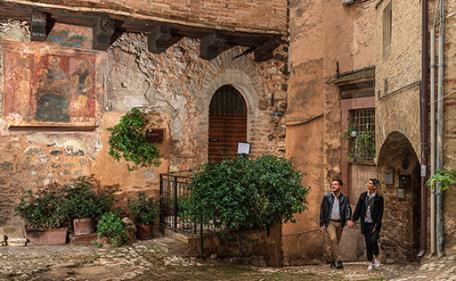
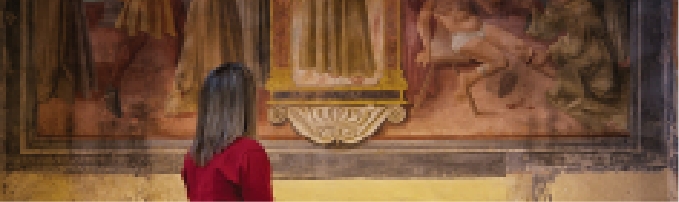
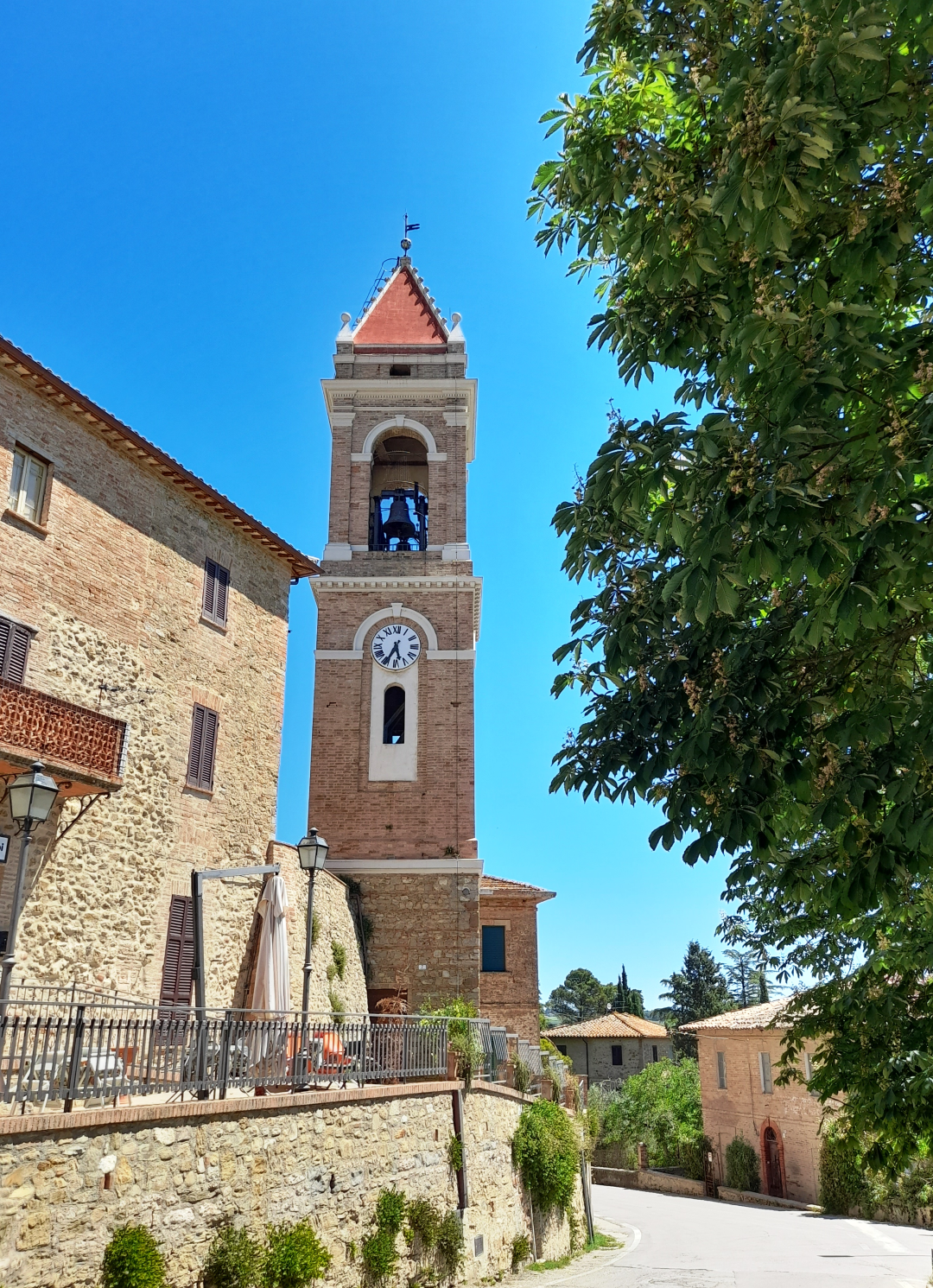
It is a medieval village located on a hill overlooking the Nestore River valley, has maintained its old structure with its checkerboard layout and circular walls. The only tower that remains of the five that were part of the ancient castle lies above the entrance gate to the old castle. Iteressting to visit is the Church of the Madonna del Crocifisso, a small brick church in terracotta that houses frescoes painted between 1921 and 1922 by the important painter Gerardo Dottori. Compignano is also home to a museum Antenna of the Dynamic Museum of Brick and Terracotta; an exhibition reality that documents the history of the castle and its role in the activity of brick production. Another valuable testimony to the production of terracotta material is the ancient Furnace of the 18th century, located along the the ancient Via Orvietana, at the junction for Compignano and Montelagello.
 

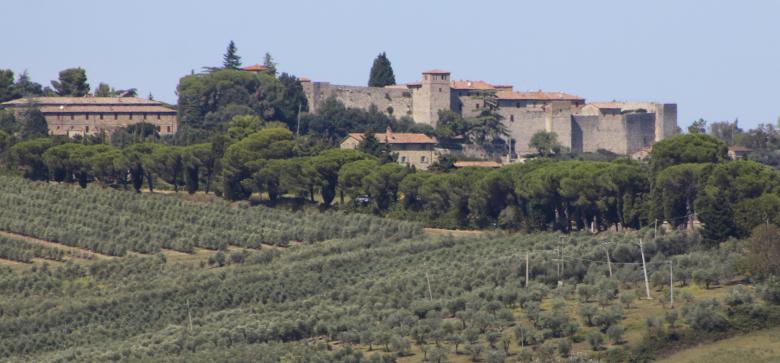
Montelagello castle

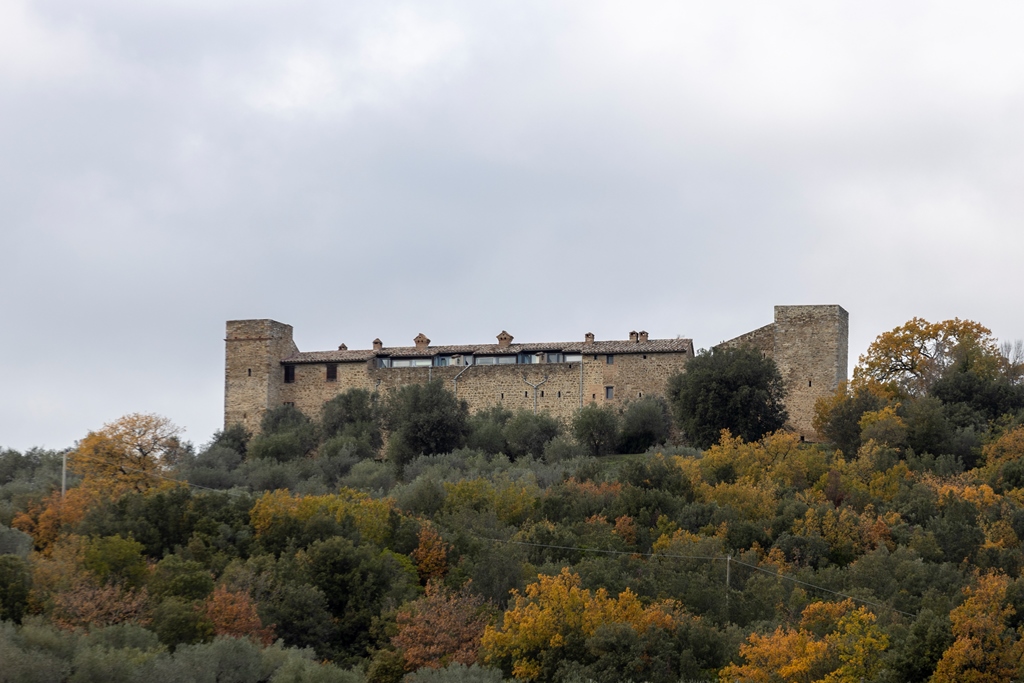
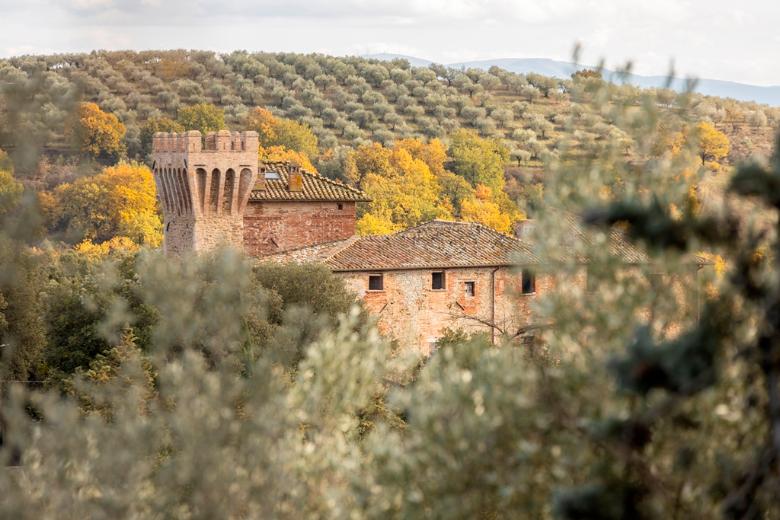
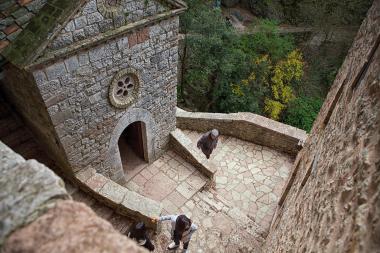
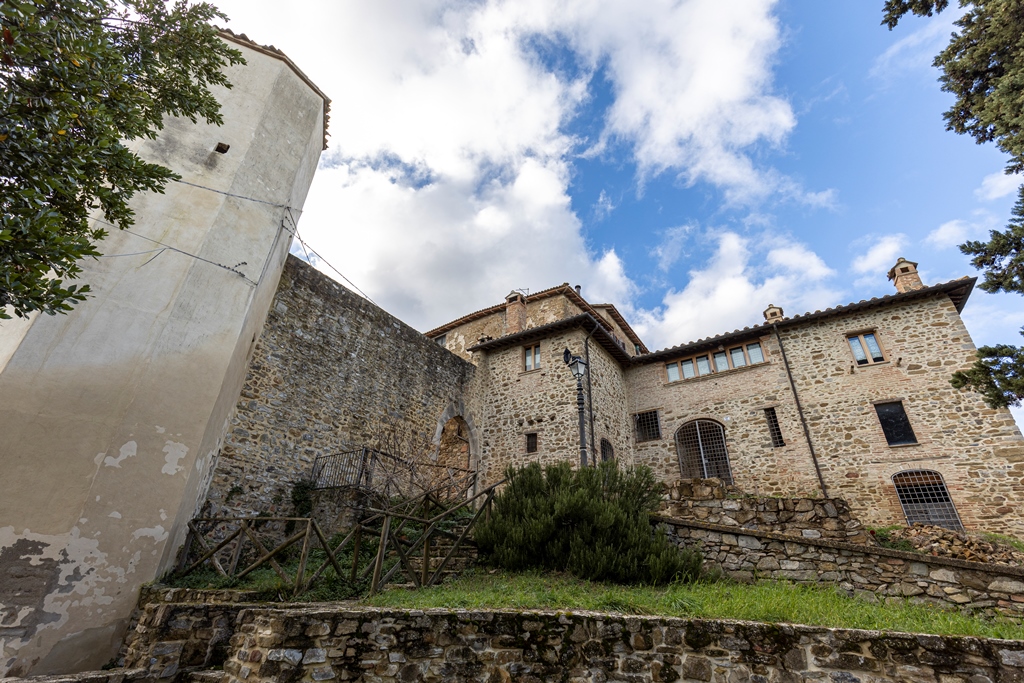
The castle, located along the ancient road of the Seven Valleys, was built in the early 12th century to defend the Perugia Priory against Orvieto. It is perfectly restored and has maintained the medieval aspect of the castle, especially on the side of the entrance door, surrounded by two corner towers. Within the walls stands the parish church of San Pietro, then San Biagio, built in the 13th century in Romanesque style. Outside the walls, in place of a small chapel, the Church of Santa Maria della Neve was built. The brick on the facade dates the construction to 1452. Inside the church was the valuable fresco from the end of the 15th century depicting the Madonna with Child and Angels, Saint Silvestro and Saint Rocco, which is now part of the Palazzo Pietromarchi in Marsciano. In popular tradition, it has always been regarded as the country where Pietro Vincioli was born, the founder and reformer of the Monastery of Saint Peter of Perugia.


Castle of Migliano

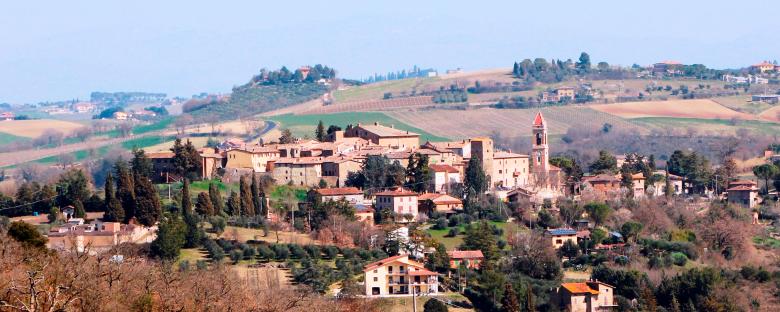
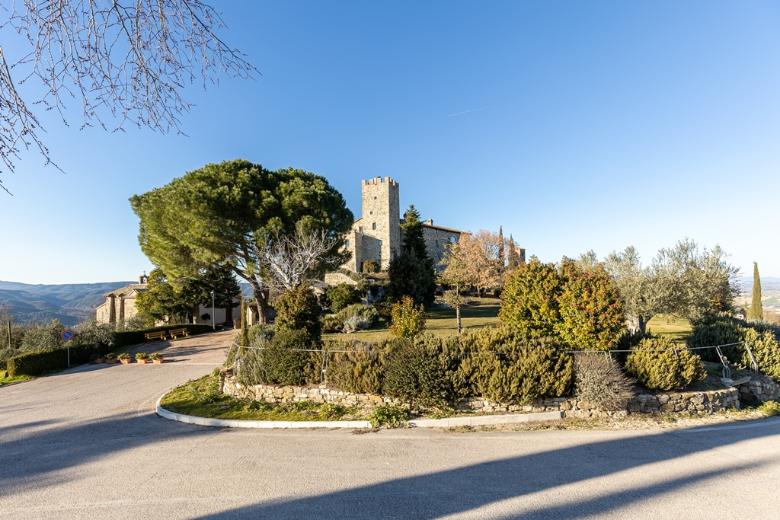
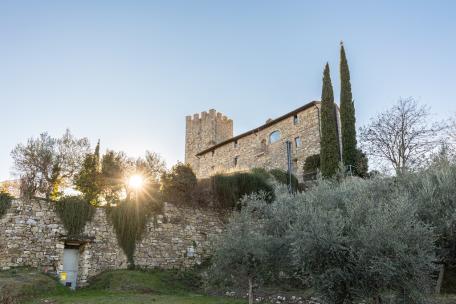
Taking the road along Vocabolo Montelagello, in just a few minutes you reach Migliano, one of the most characteristic villages in the municipality of Marsciano. The village is located on the top of a hill that marks the border with the territory of nearby Perugia. Of the ancient medieval fortress, the noble palace, part of the walls and three towers remain, one of which has recently been restored. Inside the walls, archaeological excavations have been initiated that have unearthed medieval rooms of the ancient fortress.

From the castle, it's possible to admire the Fersinone Valley, a narrow, deep valley characterized by slopes that ascend steeply. The Seven Valleys path can be walked from the village. The route connects the town with the Rupe Falcaia, a cliff overlooking the river with an altitude difference of about 100 meters. Interesting to see is a suggestive cavity called Buco del Diavolo, where several traces of the prehistoric civilizations that inhabited these places were found thousands of years ago.

Explore the surroundings
Main attractions in the vicinity