









A tour to discover Marsciano and its villages - Spina, Castle of Sant'Apollinare, Pieve Caina
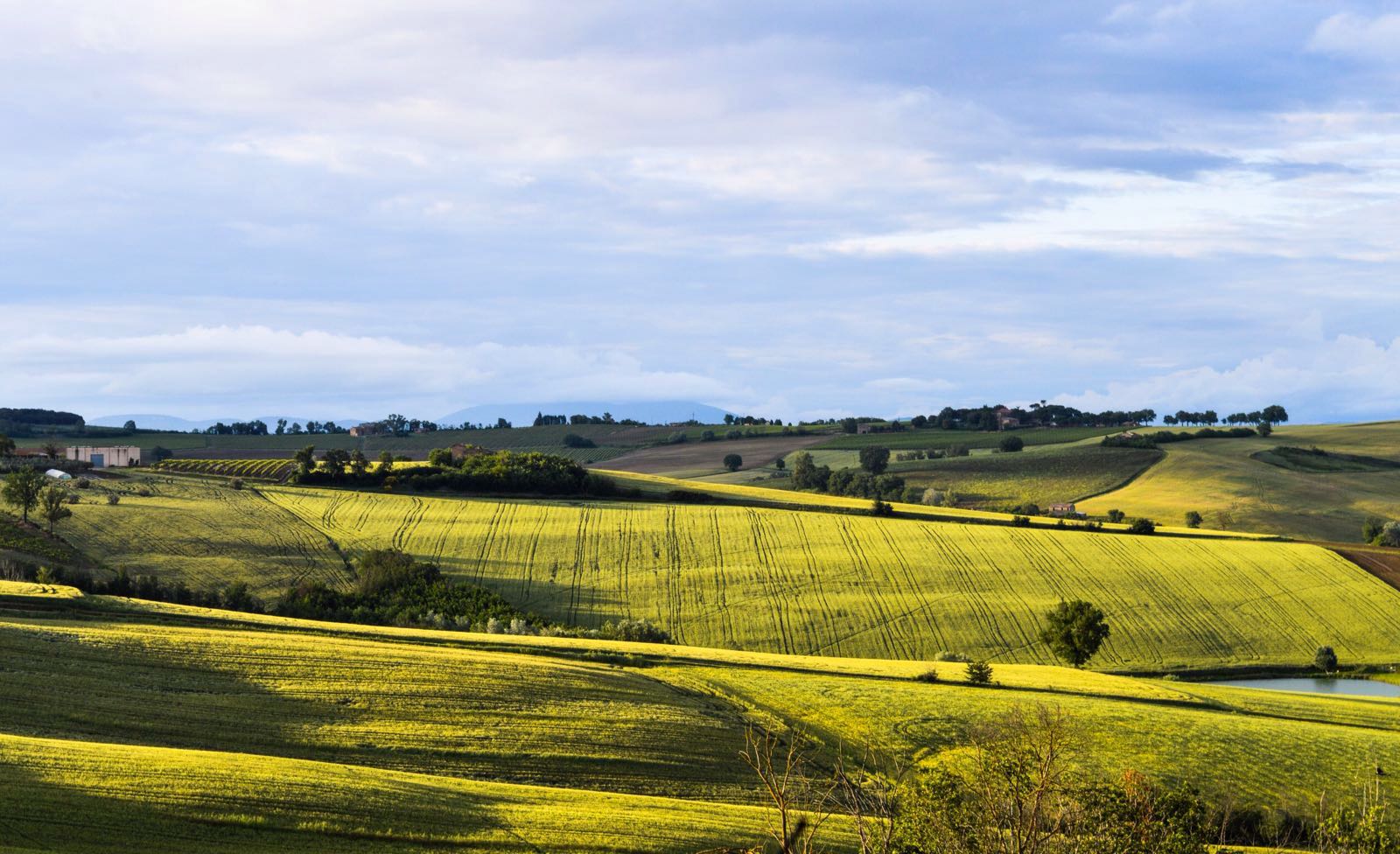
The Marsciano area offers visitors the chance to discover ancient medieval villages, rich in art, history and scenic beauty by traveling by car, bicycle or on foot along the charming Green Route, which has become a valuable part of the municipality's heritage.
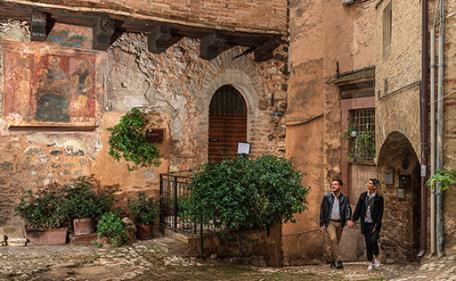
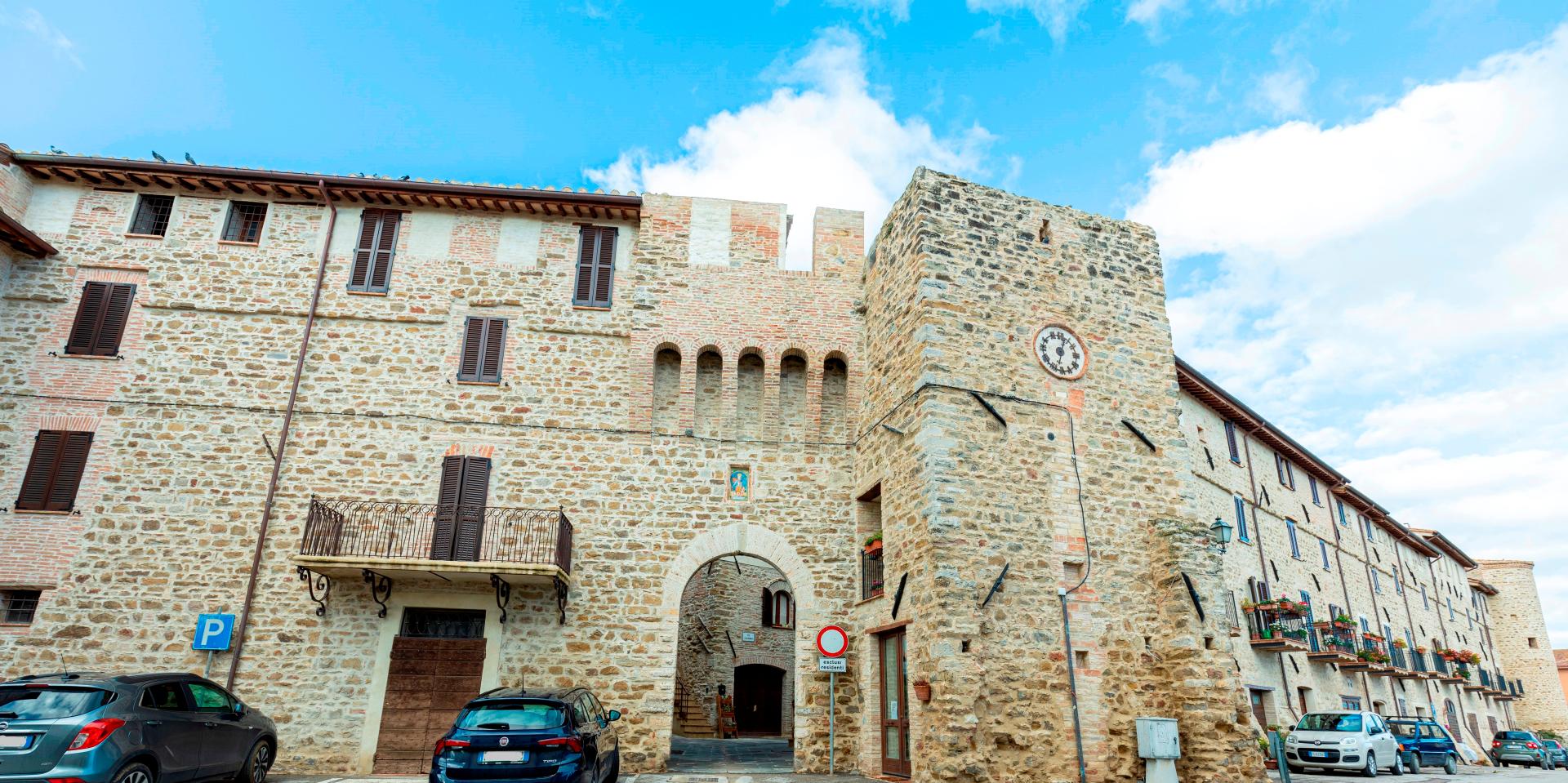
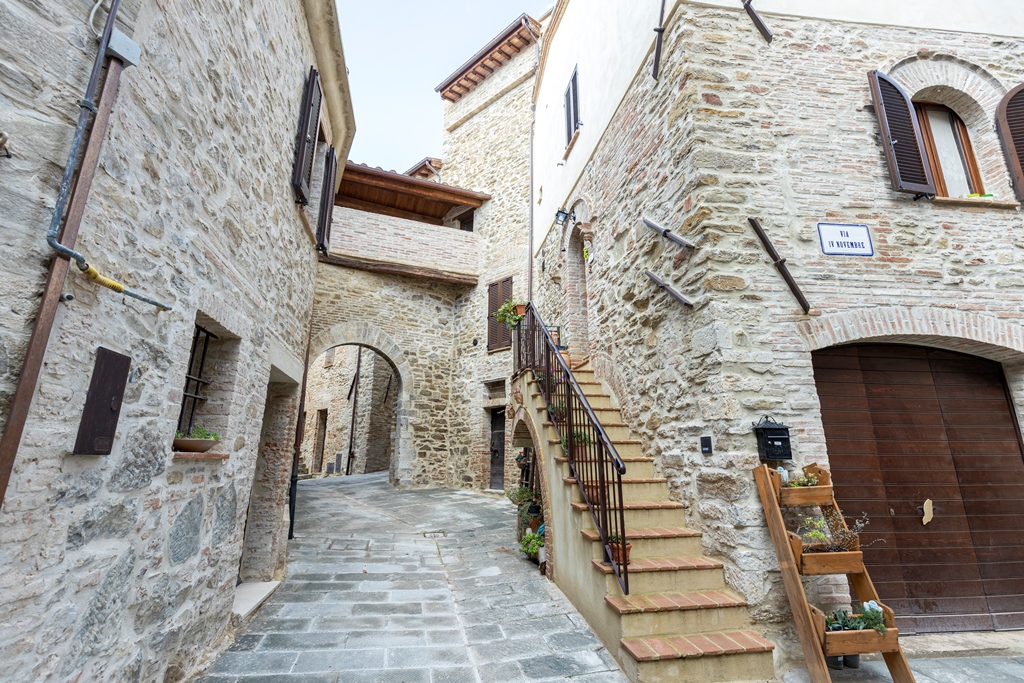
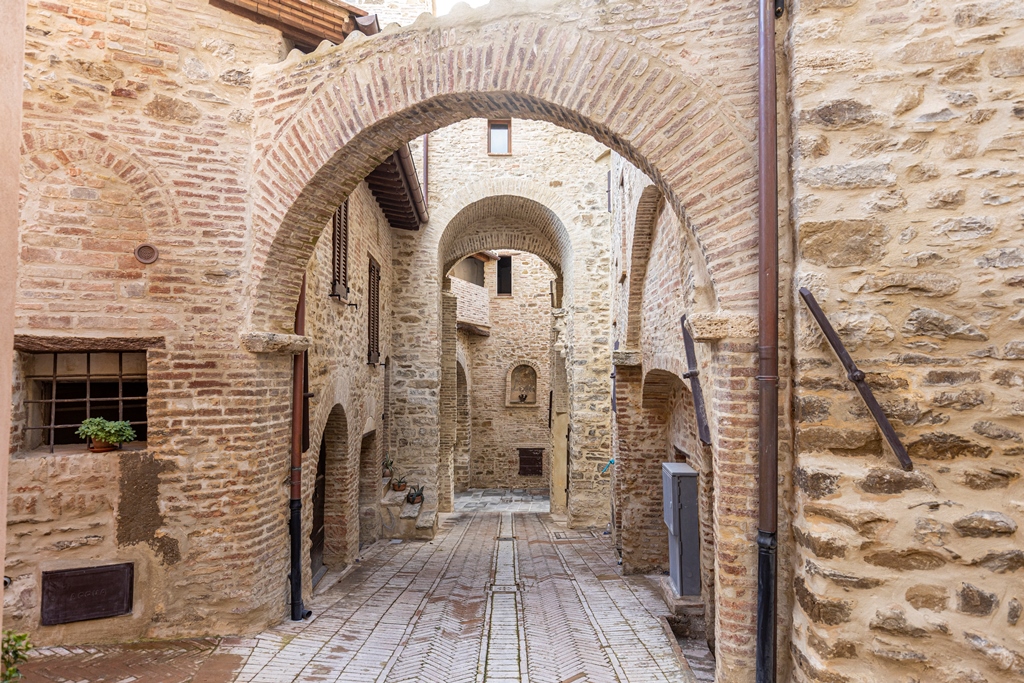
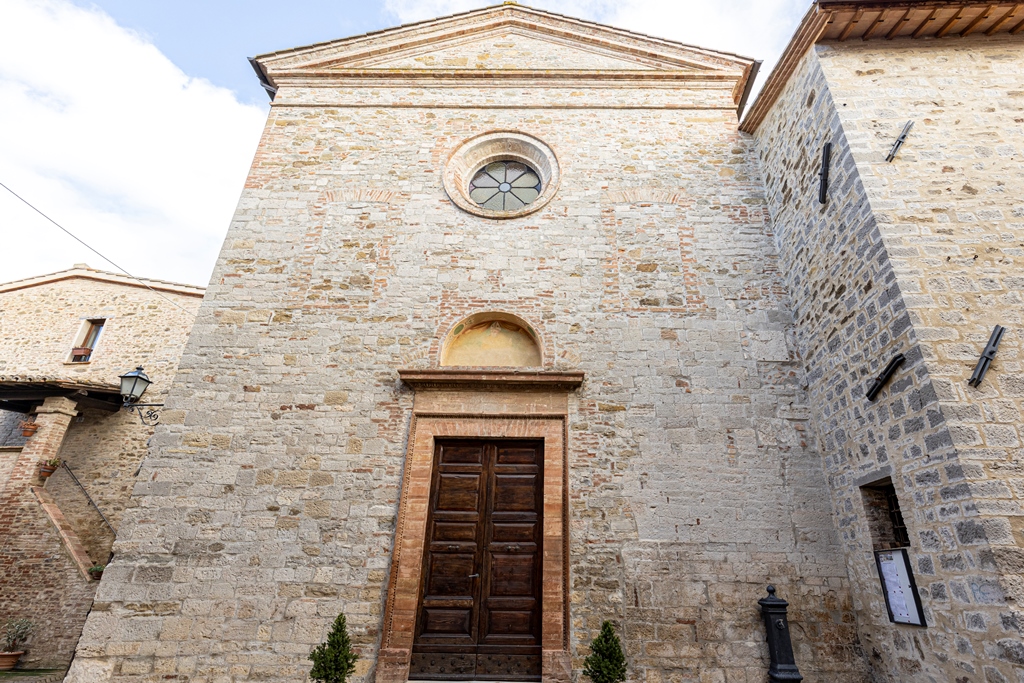
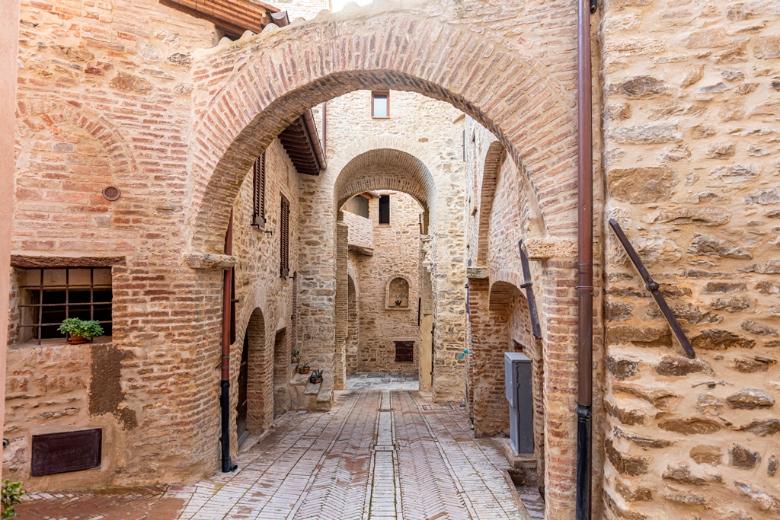
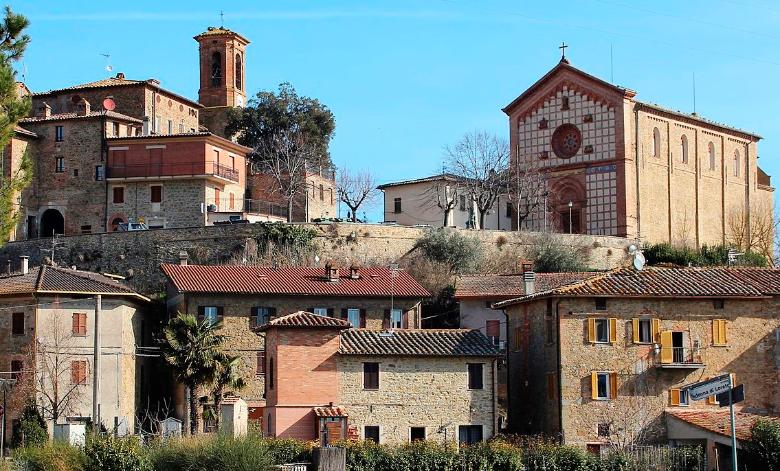
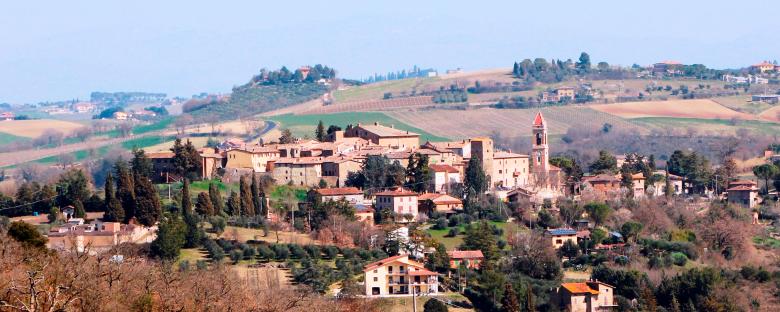
The tour starts in Spina, one of the most important of all the picturesque towns that line the peaceful hills from Marsciano to Trasimeno. An imposing castle of high value, situated along an important road axis called the Via Orvietana, it occupied the role of an ancient municipality holding all the neighbouring villages under its authority. The castle retains most of the medieval structure and character, with its strong walls, the main entrance area with its magnificent arch, and two circular towers. During a walk in the ancient town, it is possible to notice numerous terracotta elements that characterize the architectural style of the 15th century in Perugia, with brick arches and houses with two-story constructions. The walk along the main street leads to the parish Church of San Nicolò and San Faustino whose remains are preserved in the church. In the old castle of Spina, was installed the Museum Antenna of Spina, adding to the Dynamic Museum of Brick and Terracotta in Marsciano.
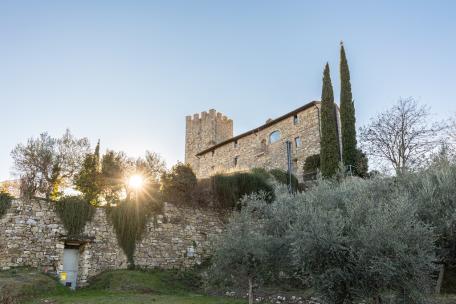
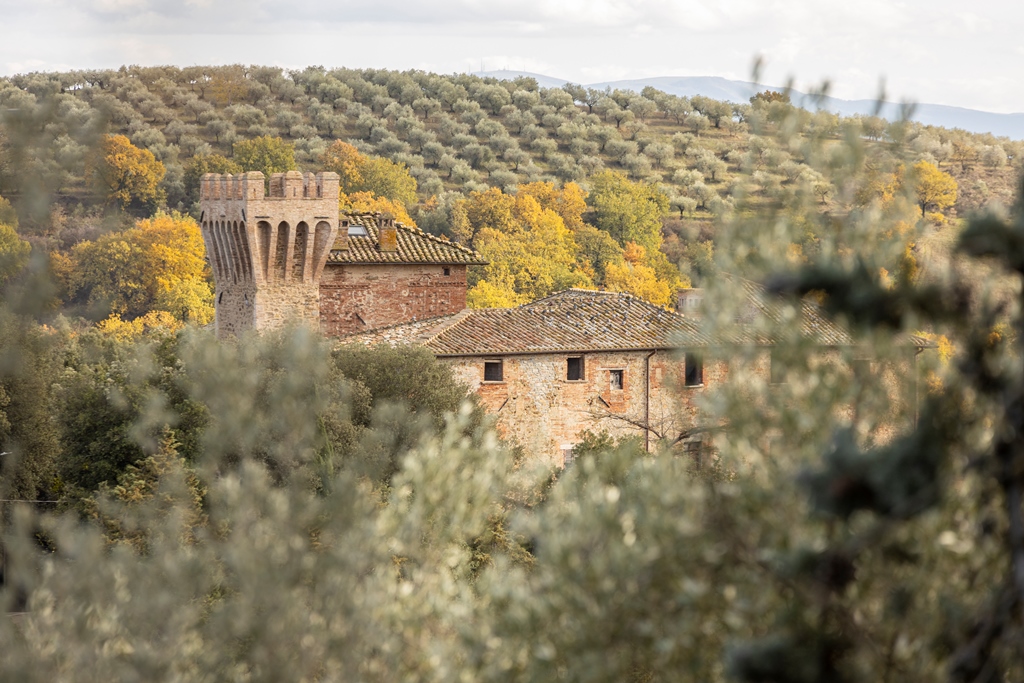
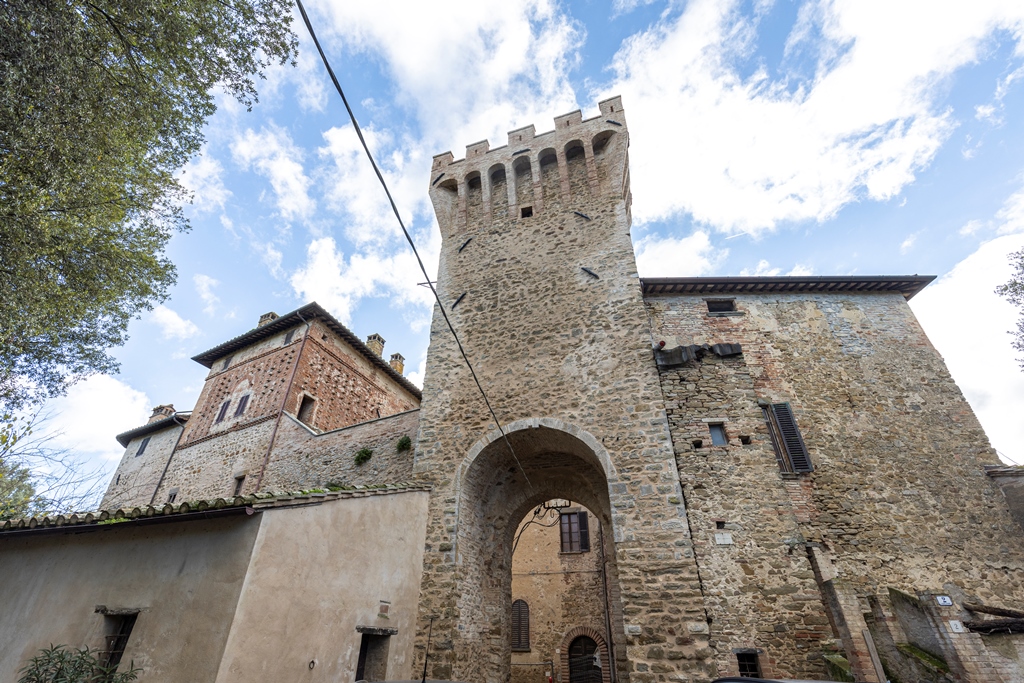
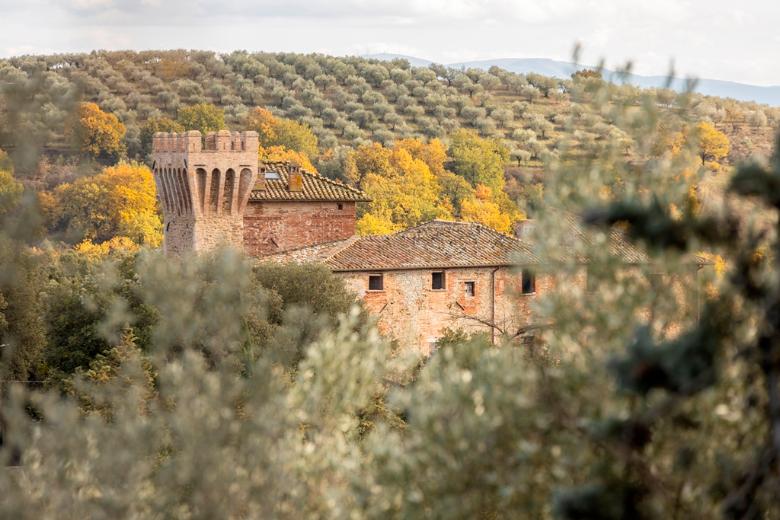
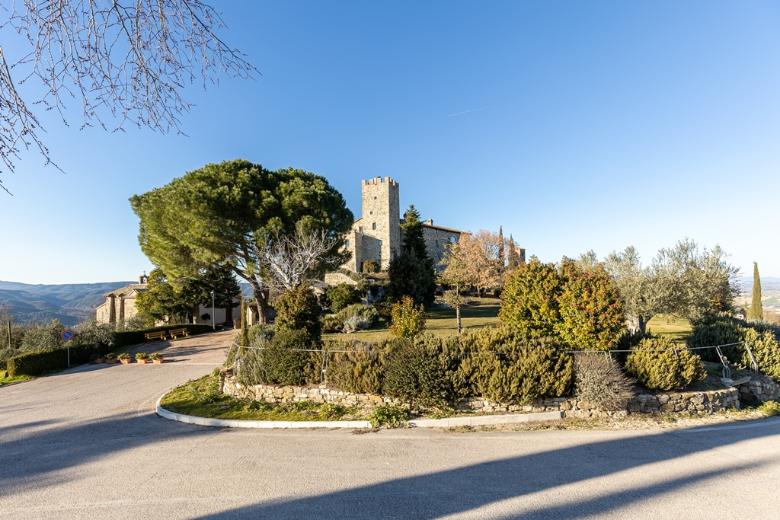
In a delightful position overlooking the Nestore Valley, surrounded by some of the most beautiful castles of Marsciano, a tower rises to the sky and with its might and elegance gives rise to one of the most evocative villages in the Municipality of Marsciano: the Castle of Sant'Apollinare. The charming village surrounded by medieval walls, is accessed from the 15th century tower that was home for 400 years to the marquis family Graziani of Perugia. The tower leads to the cloister with a medieval limestone well at its centre. The village still preserves the structures of its feudal castle, making a visit a real trip back in time.
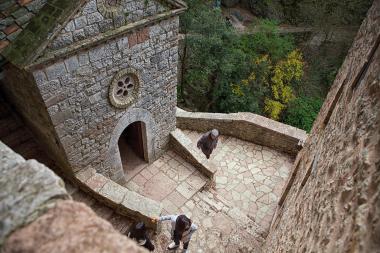
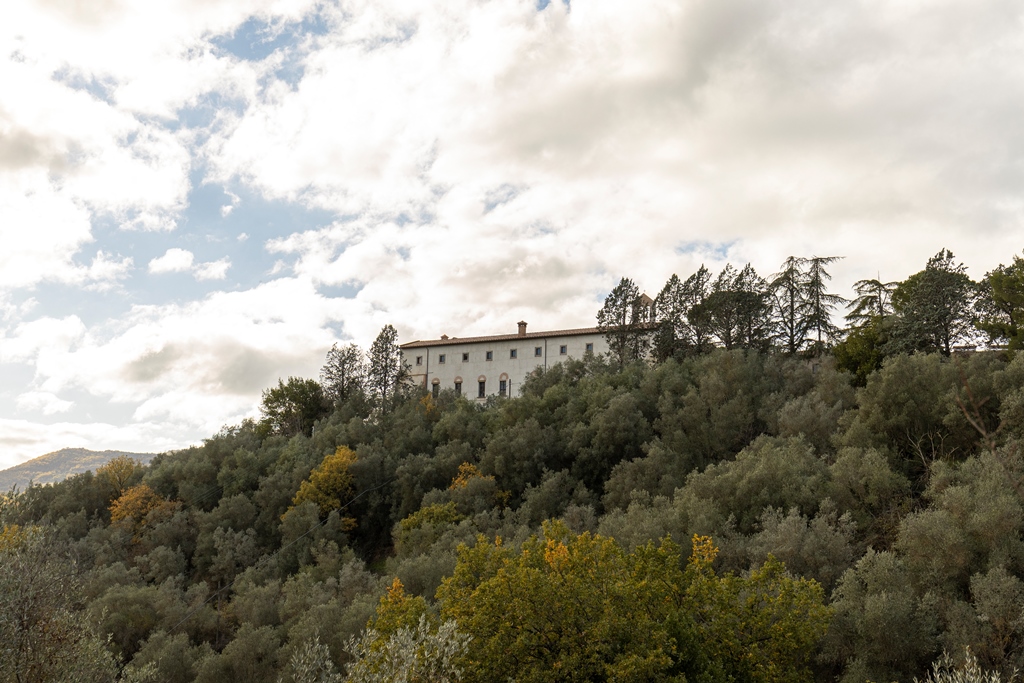
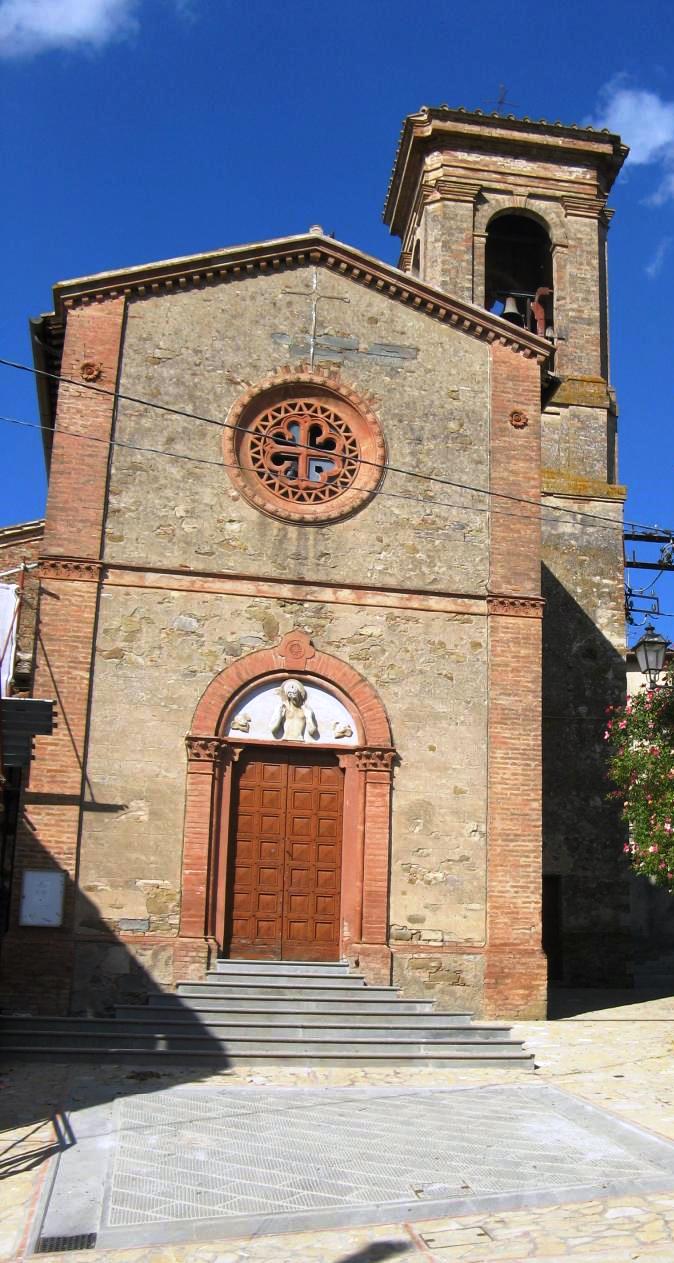
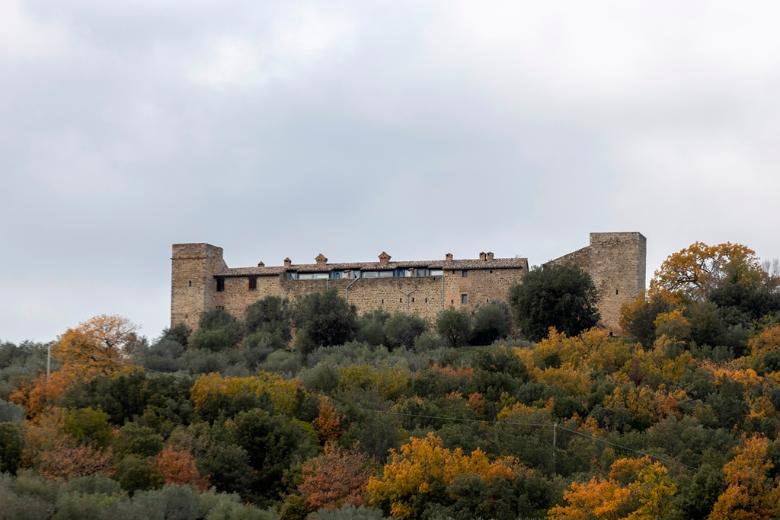
Adjacent to the castle, placed in an elevated and defensive position is the Fortress of Sant' Apollinare (Rocca di Sant'Apollinare), for centuries the seat of the ancient Benedictine Abbey. The imposing complex, built as a fortress in the early 16th century consists of a Romanesque church, a two-story stone and brick convent, cloisters, and storehouses. At the entrance of the castle, there is the parish church of Sant'Apollinare built in 1510.
.jpg/8e8ec18e-8aa3-a47a-78e3-5c0fe4d2e428?width=780)
.jpg/238f26cb-17db-2858-79ba-b1eccb22e667?width=780)
.jpg/89753142-3f2f-a583-c054-aa009793cb5e?width=780)