



Church of Sant’Antonio – Deruta
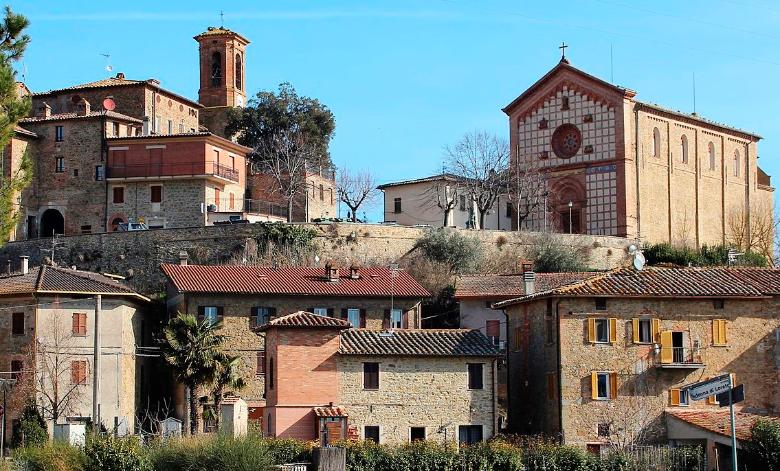
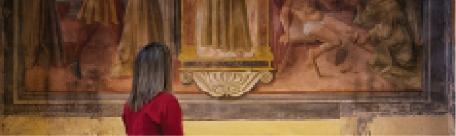
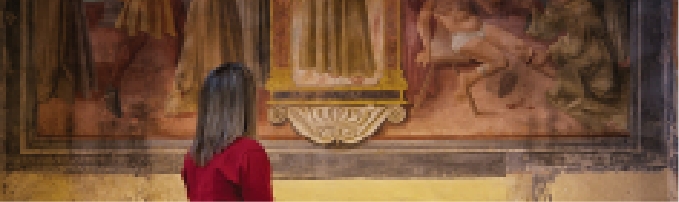
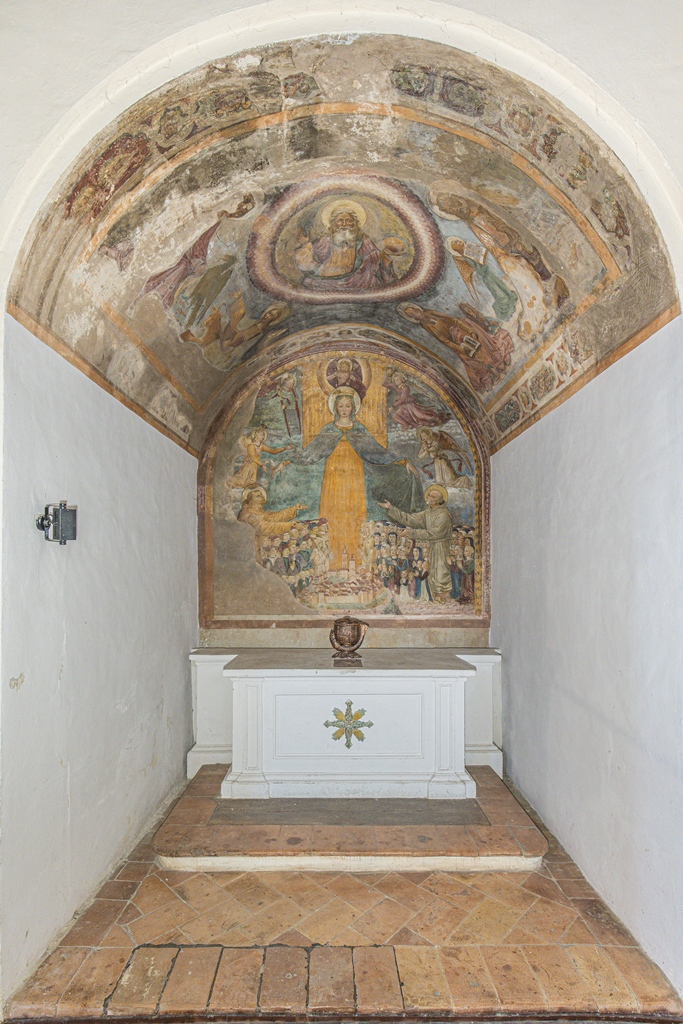
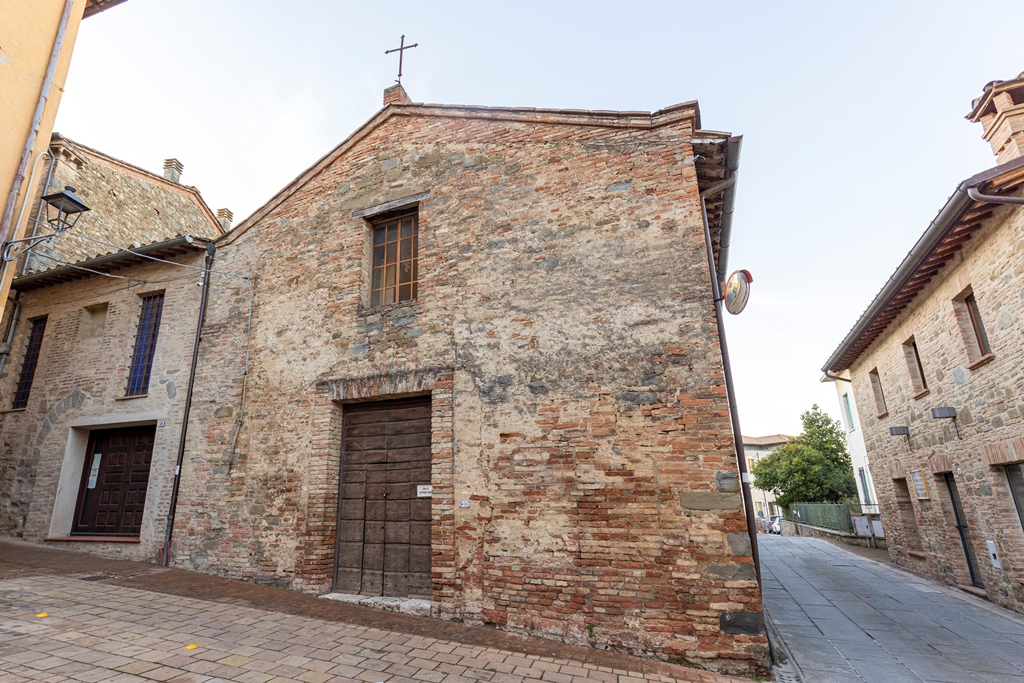
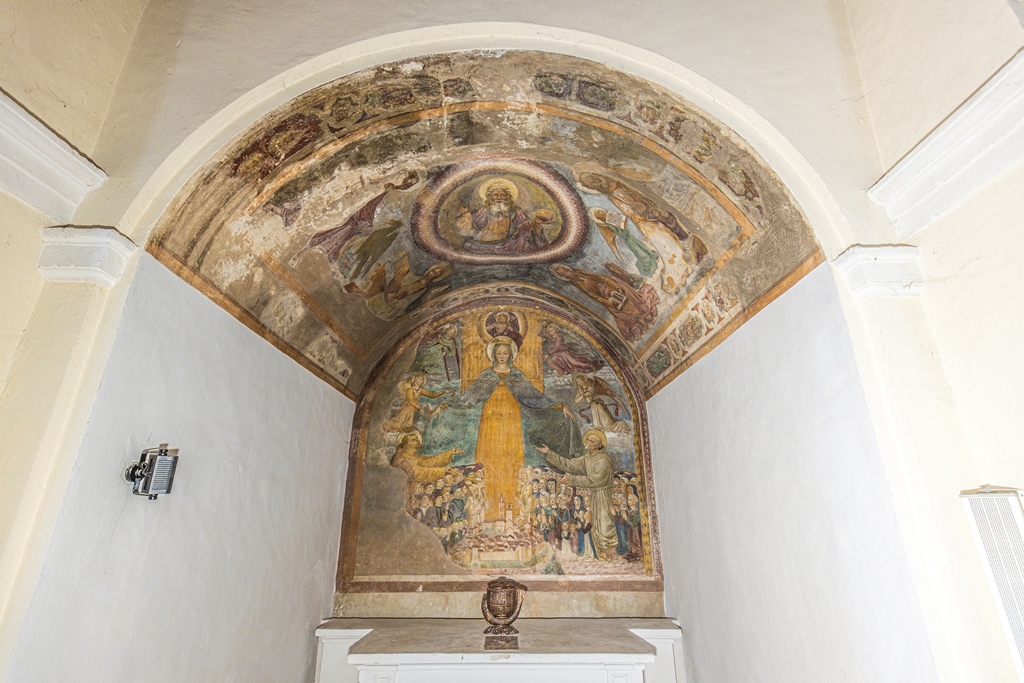
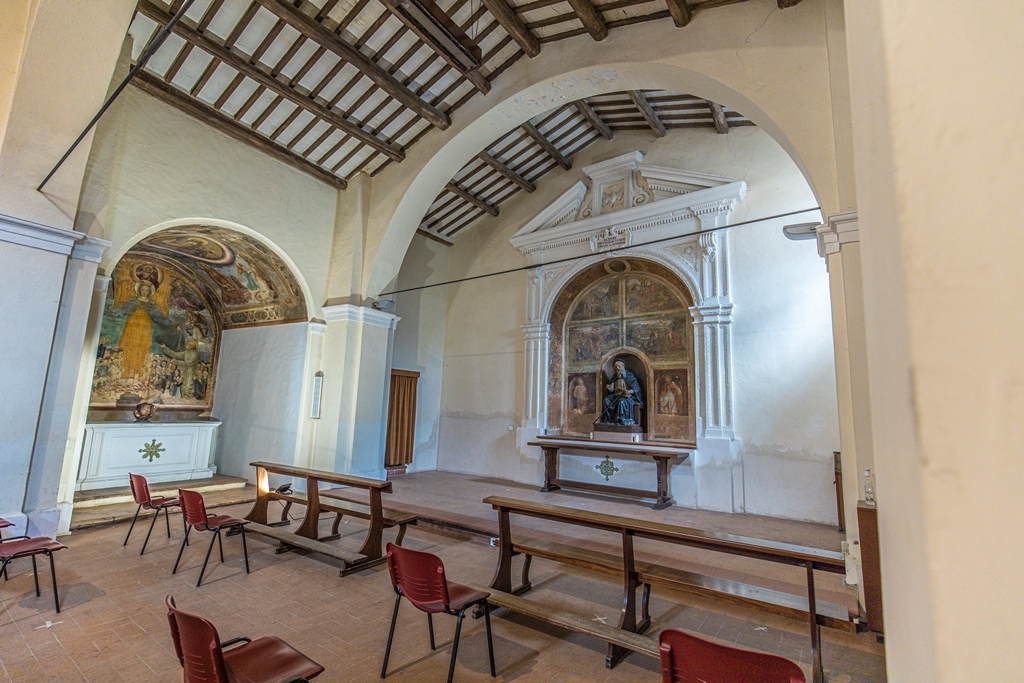
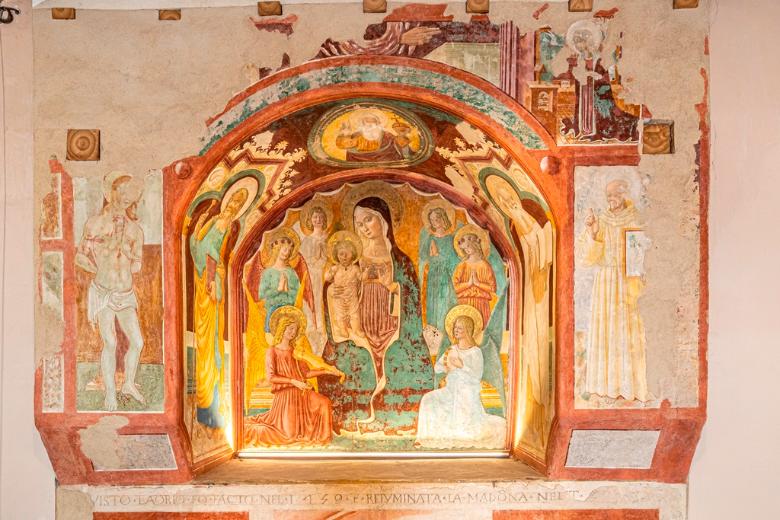
The Church of Sant'Antonio, situated near the Regional Ceramics Museum of Deruta, is a true treasure trove of art and faith, with frescoes painted by two talented Perugian painters - Bartolomeo Caporali and Giovanni Battista Caporali.
The history of the church
The date of construction of the church is difficult to determine, however from a last will dated to 1439 it can be deduced that the church had already been built and that a certain Antonio di Paolo Rubini da Casalina left the money for its renovation. The church had a certain importance in the town, as two important Perugian artists were invited to paint the interior walls - Bartolomeo Caporali and his son, Giovanni Battista, called Bitte.
A further testimony to the importance of the church in the past, was the decision to keep inside the religious banner of Niccolò di Liberatore called Alunno, now preserved in the Municipal Art Gallery of Deruta.
.jpg/4da88bf9-fc4f-a697-0031-a83983b98c69?width=780)
.jpg/8e8ec18e-8aa3-a47a-78e3-5c0fe4d2e428?width=780)
.jpg/238f26cb-17db-2858-79ba-b1eccb22e667?width=780)
.jpg/89753142-3f2f-a583-c054-aa009793cb5e?width=780)