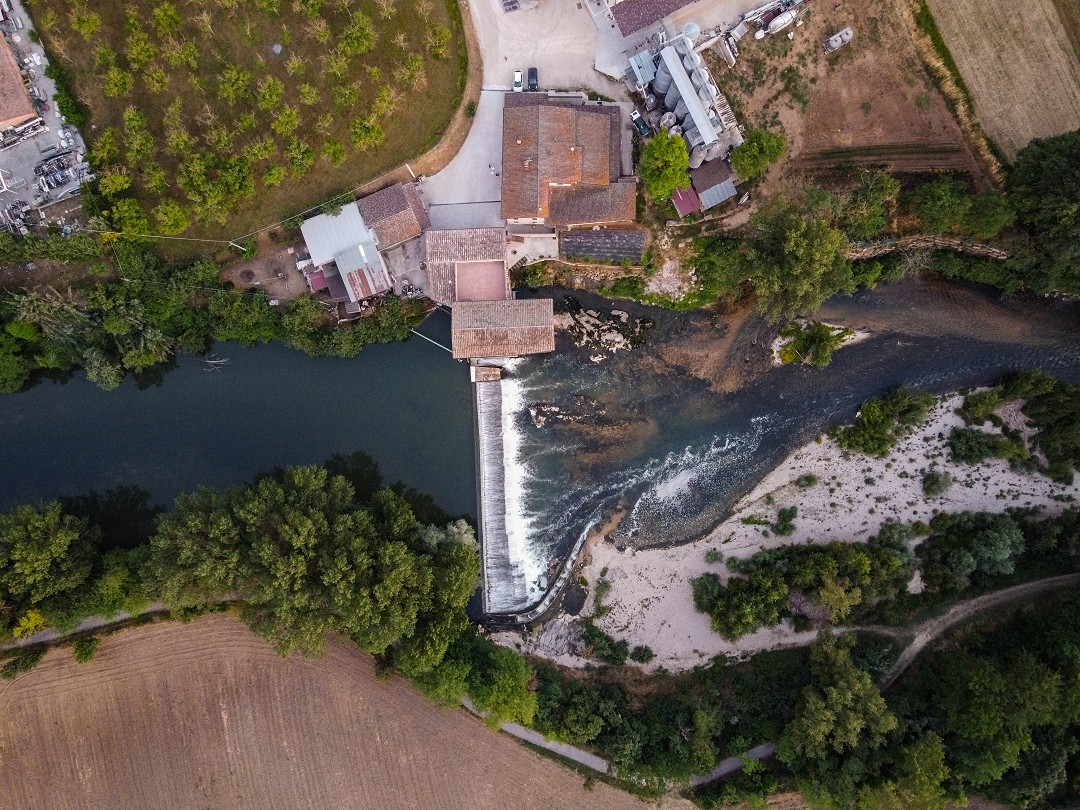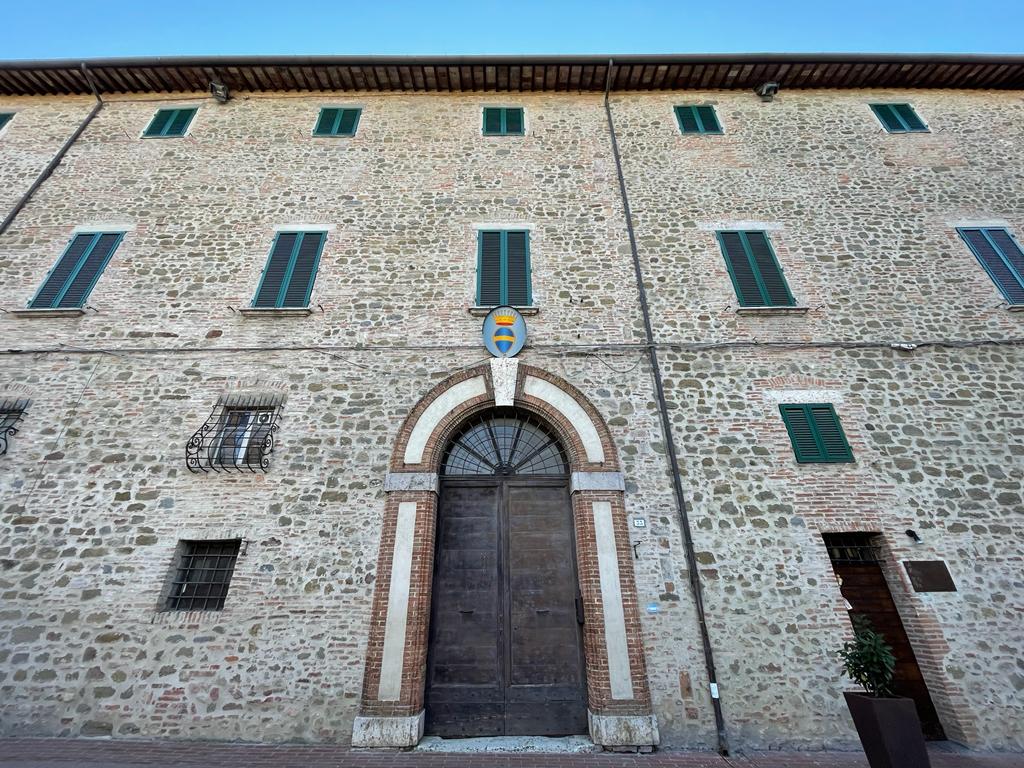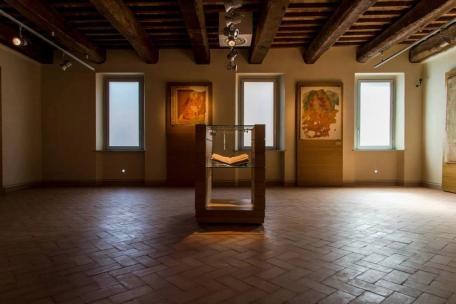
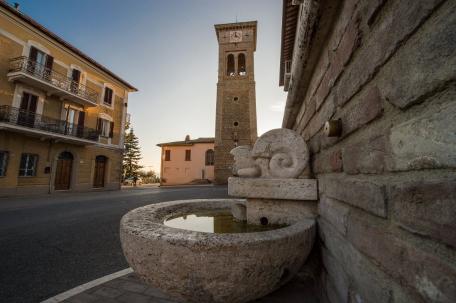

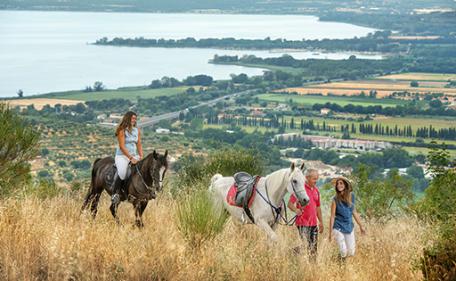
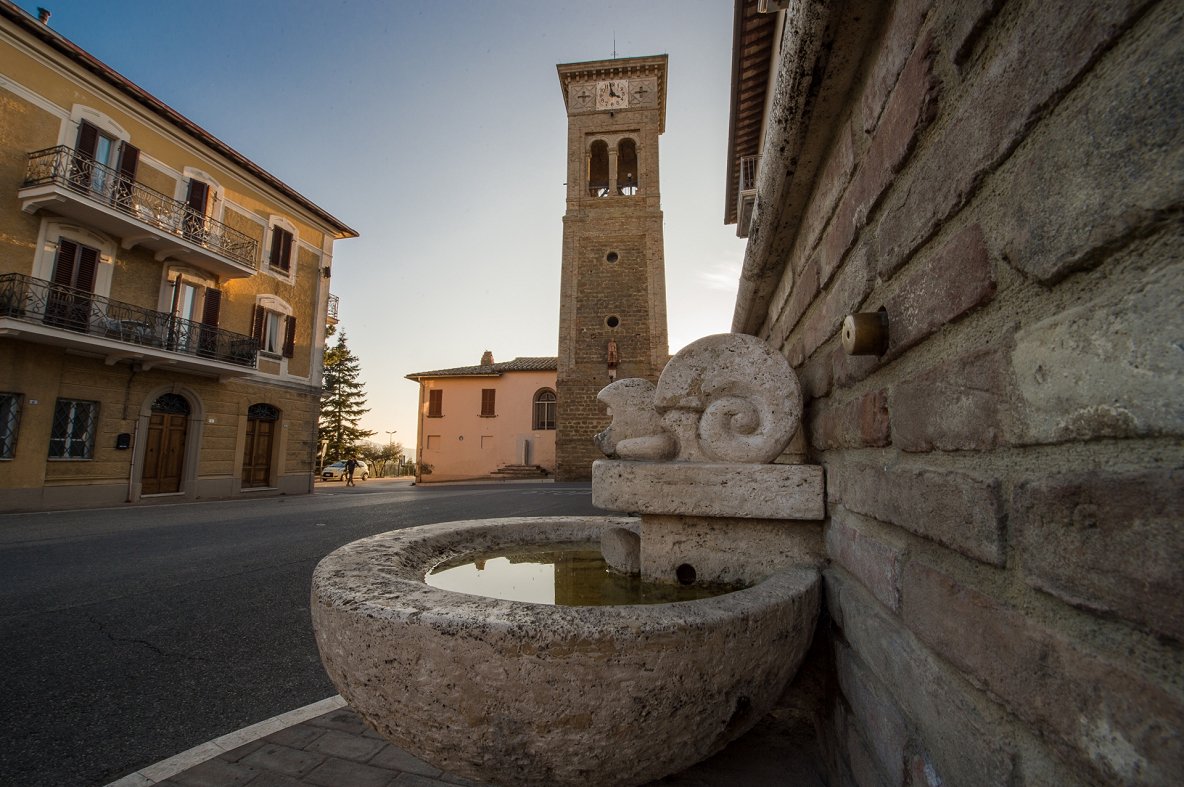

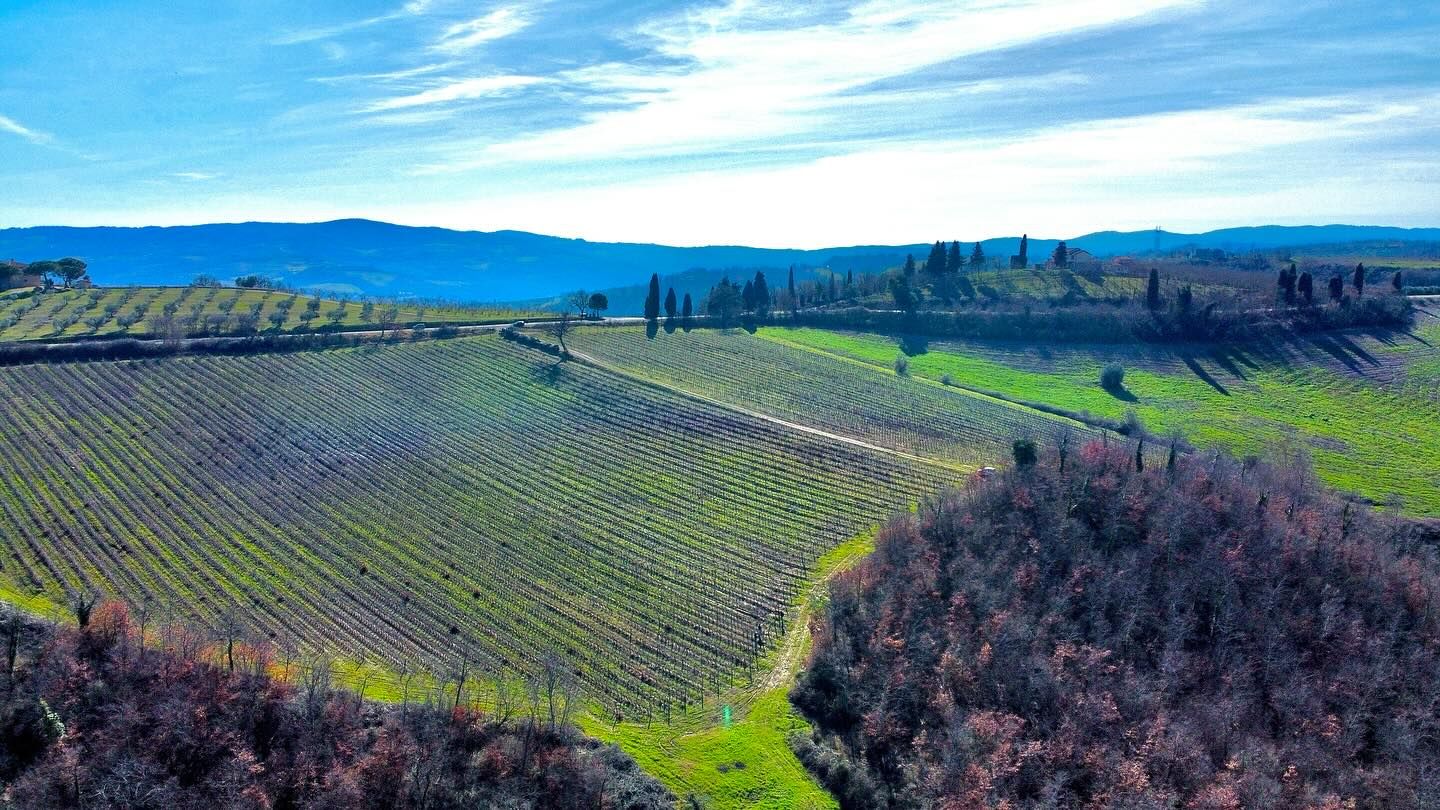

Here, 15 kilometres from the medieval town of Todi and 40 from Perugia, lie the lands preserved over the centuries by the Counts Faina and once belonging to the Borghese princes. Walking through the woods, olive groves and vineyards, one can still hear the chatter of the ladies, the sweet sound of children running and the fascinating rhythm of court life. The estate, owned since 1700 by the Counts Faina di Civitella dè Conti, was managed with great passion by the brothers Counts Sebastiano and Alessandro Faina and is currently run by Angelica Faina and her husband Stefano. Today, the property covers more than 415 hectares occupied by woods, vineyards, walnut groves, arable land and olive groves. The fulcrum of this area is the splendid 13th century building, the Castello di Collelungo, home of the Conti Faina winery.
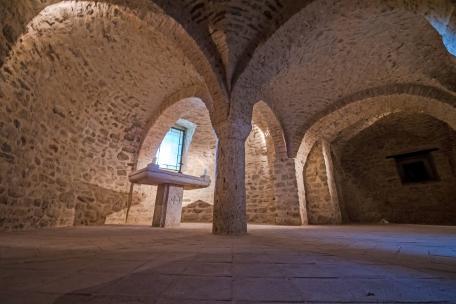
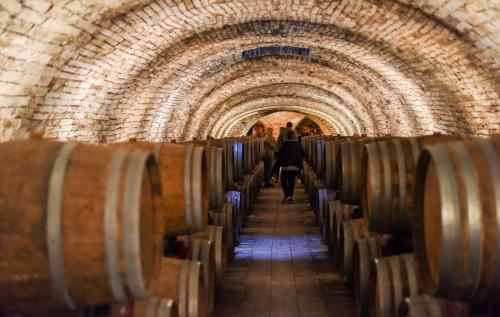
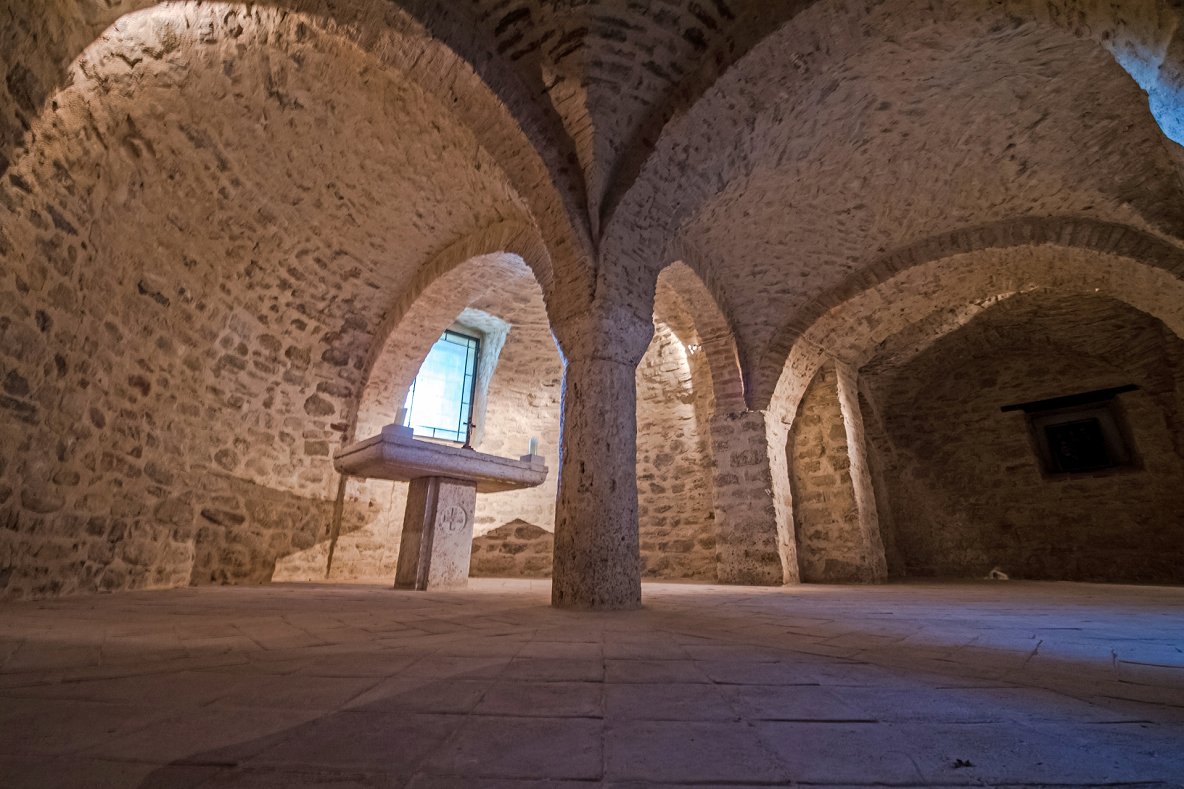
The Conti Faina winery has its roots in the history of Umbria. The dream of Angelica Faina, today at the helm of the company together with her husband Stefano, is to create a new reference point for the region, making the company a model, as it was in the 19th century with Zeffirino Faina. In fact, it was in 1870 that Zeffirino, on his return from France, decided to remove the tendone vines from the Fratta Todina property and introduce low vines with a density of between 7,000 and 10,000 vines per hectare. Numbers that were unthinkable for Umbria at that time: thus, for the first time, the concept of specialised viticulture was born. This was only Zeffirino's first 'revolution', fruit of his profound knowledge of the Tuscan model, developed thanks to his friendship with Baron Bettino Ricasoli, and of the French model, which took place during his stay in France. This extraordinary personage thus made the Collelungo wine cellar, located inside the castle of the same name, a true example of avant-garde. Created from the excavation of the rock below the castle (13th century), it was founded in 1876 on the French model. Its long history is still witnessed today by the barrel dated 1883, kept in the cellar, where many of the historic wines were aged. From the very beginning, the philosophy was to get closer to nature, intervening in the wine as little as possible. First of all, the system of dropping the must by gravity was introduced thanks to the three-level design. The ageing rooms, on the other hand, extended over 200 metres and allowed for natural air conditioning and a constant temperature, summer and winter. There were also state-of-the-art technologies at the time, such as the mash tun, fixed presses from France and many other instruments, which are still present in the cellar today. So it was that, as early as 1886, Conti Faina wines were appreciated in Lombardy, Veneto, Emilia Romagna and Lazio, as is also shown by the numerous awards including the 'gold medal with 1000 lire' received from the Ministry of Agriculture in 1886, the gold medal in Orvieto in 1891 and another gold medal in Zurich in 1893. Today, the Conti Faina winery still partly uses the technology introduced by Zeffirino Faina in the 19th century.




.jpg/ad966897-26e6-174e-acbc-b6967b1a9ba8)