



Castle of Monticelli - Marsciano
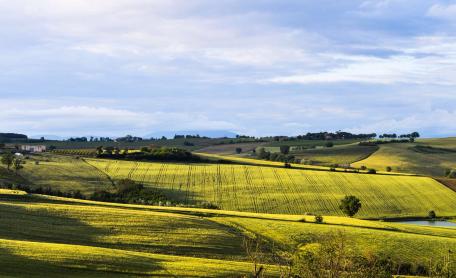
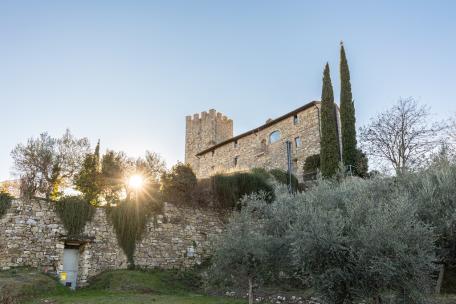
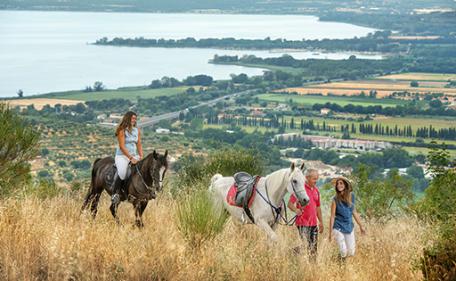
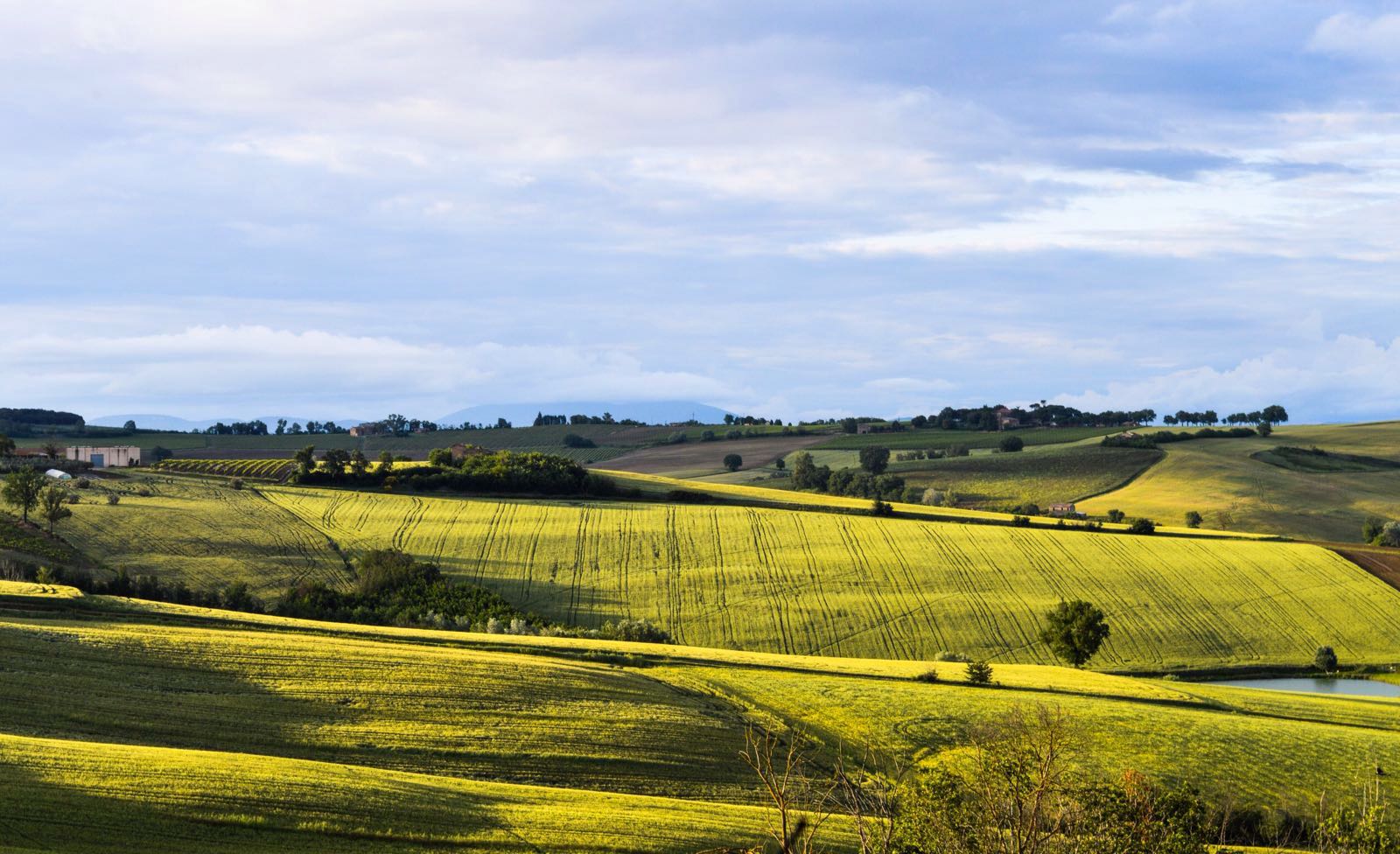
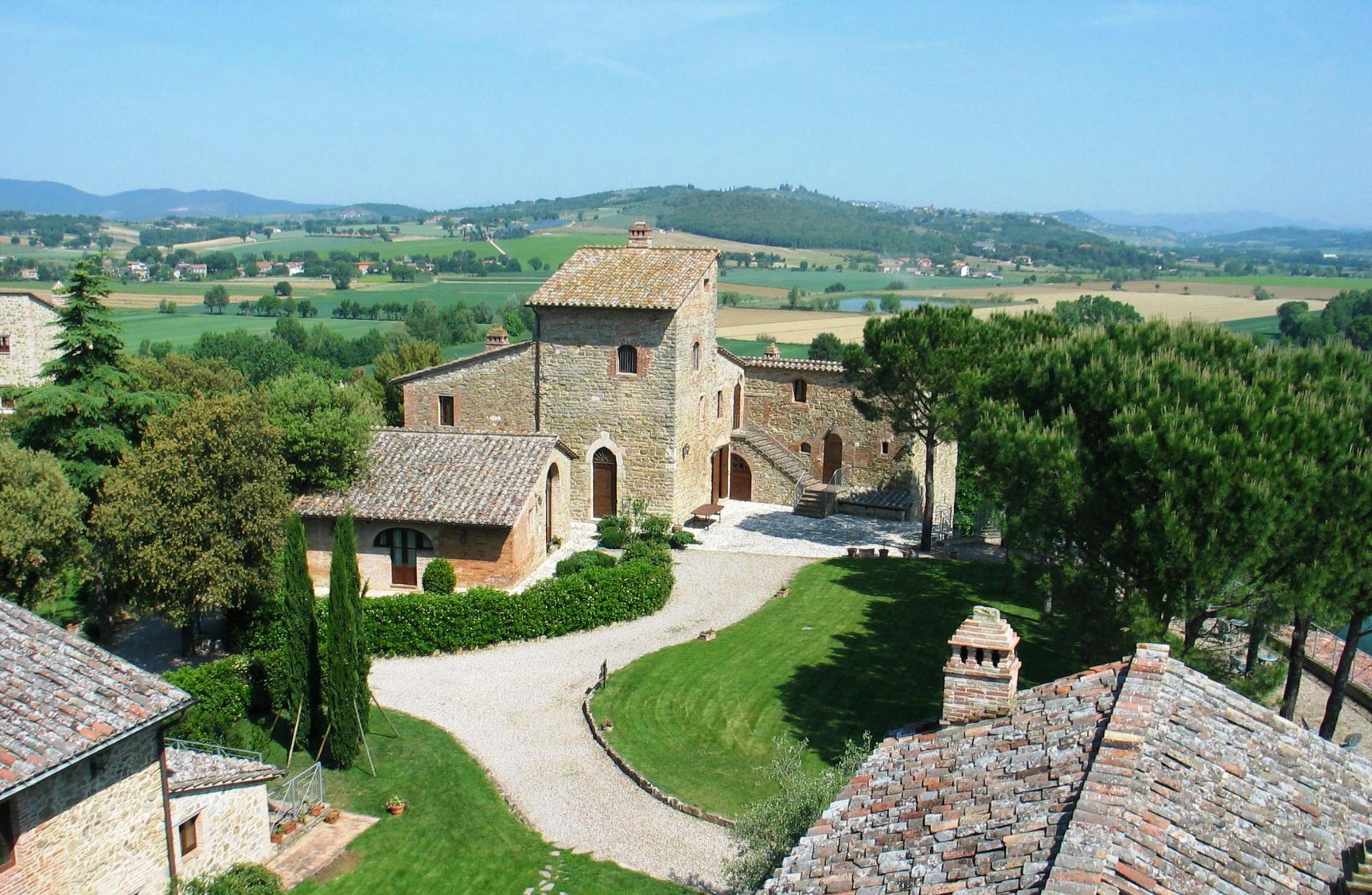
Monticelli Castle is a fairy-tale complex located on a hill overlooking the Nestore valley and close to the Caina stream. Although the relief is not enormous, from the castle there is a beautiful view extending for miles over the valley below, from which it is possible to see the upper part of Perugia.
The castle's history
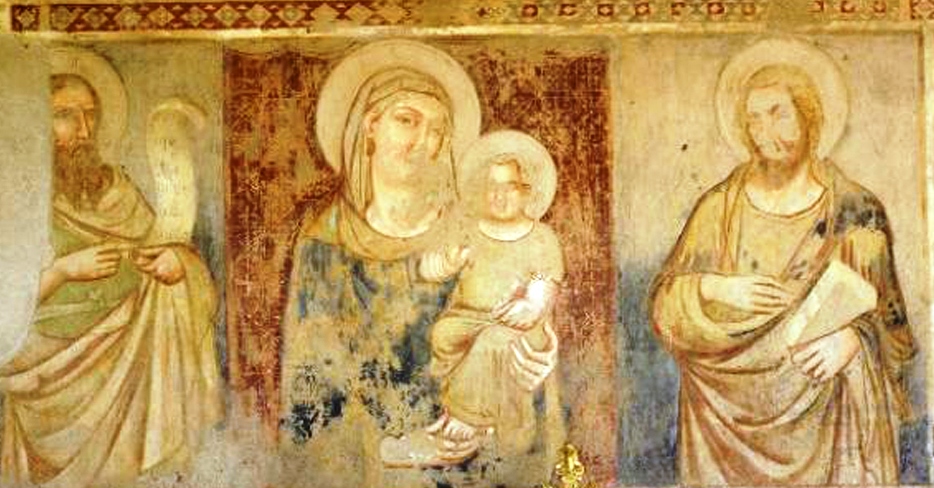
The oldest document relating to Monticelli dates from 1115, when Pope Paschal II decreed that the church of San Paolo in Monticelli belonged to the rich and powerful Benedictine monastery of San Pietro in Perugia. In the 15th century it was sold or granted to the Aureli, an aristocratic family that built a large palace with terracotta arches and began using it as a summer residence and hunting lodge. In the early 1800s Monticelli changed owners, going first to the Alfani family, and then at the end of the century to Vincenzo Sereni. During the Second World War, heavy fighting took place between British allies and German troops, who had workshops in the nearby village of Castiglione della Valle for repairing tanks and trucks.
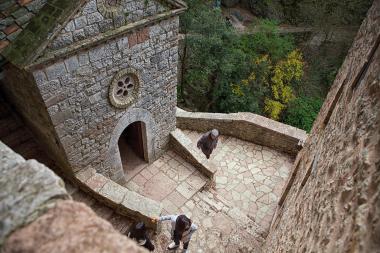
As a result of wartime destruction and gradual deterioration caused by the inexorable passage of time, Monticelli became a farmhouse, storehouse of agricultural products and stables. With meticulous restoration, the entire complex has regained its former splendor and grandeur. Currently, the village of Monticelli is a much-visited historic home, on which there is a bond of the Superintendence of Umbria. The oldest parts are three defensive towers and watchtowers on the valley below with walls more than a meter thick.

.jpg/06d71aa8-abe1-abff-8f2b-933ddecb8ae8?width=780)