

Route No. 1 - Approach to tasting extra virgin olive oil.
targeting children and adults
EDUCATIONAL OBJECTIVES Understand why you taste an oil. Learn the basics of tasting an oil. Know how to recognise the differences between virgin, lampante and extra virgin olive oil.
Duration
02:00 Hours
Pernottamento
Bread and oil... everyone's snack!


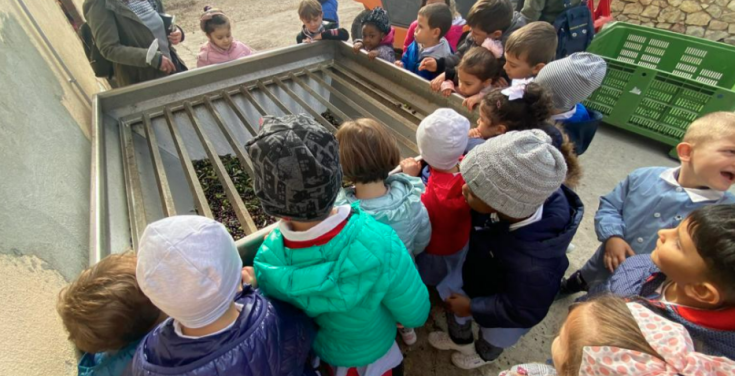
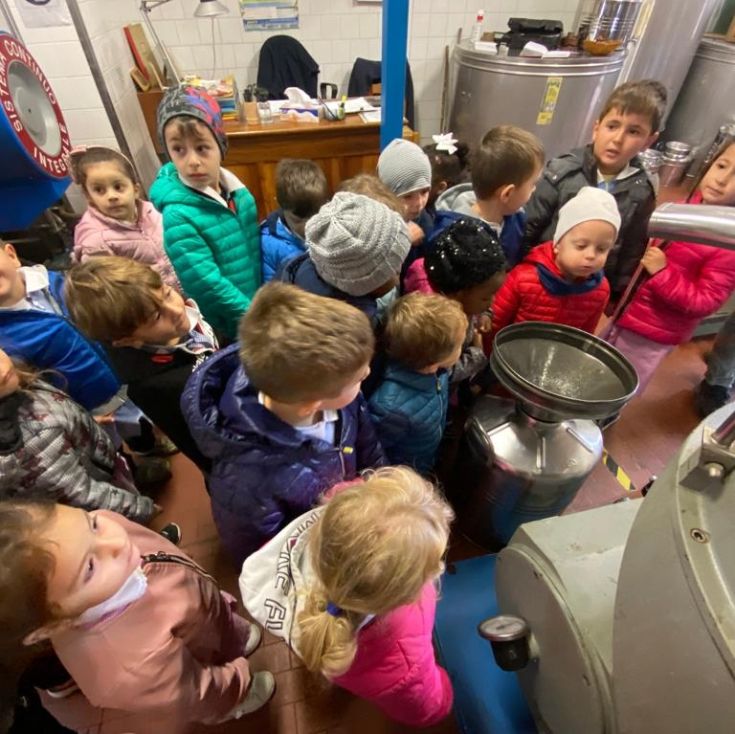
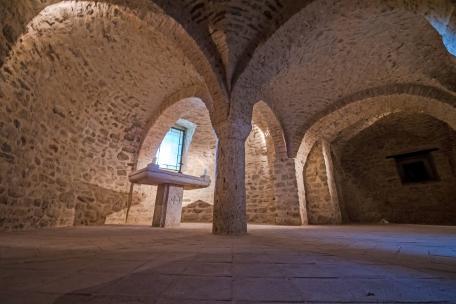
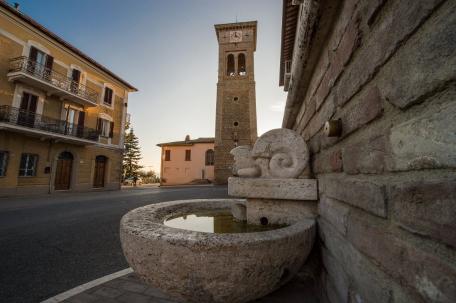
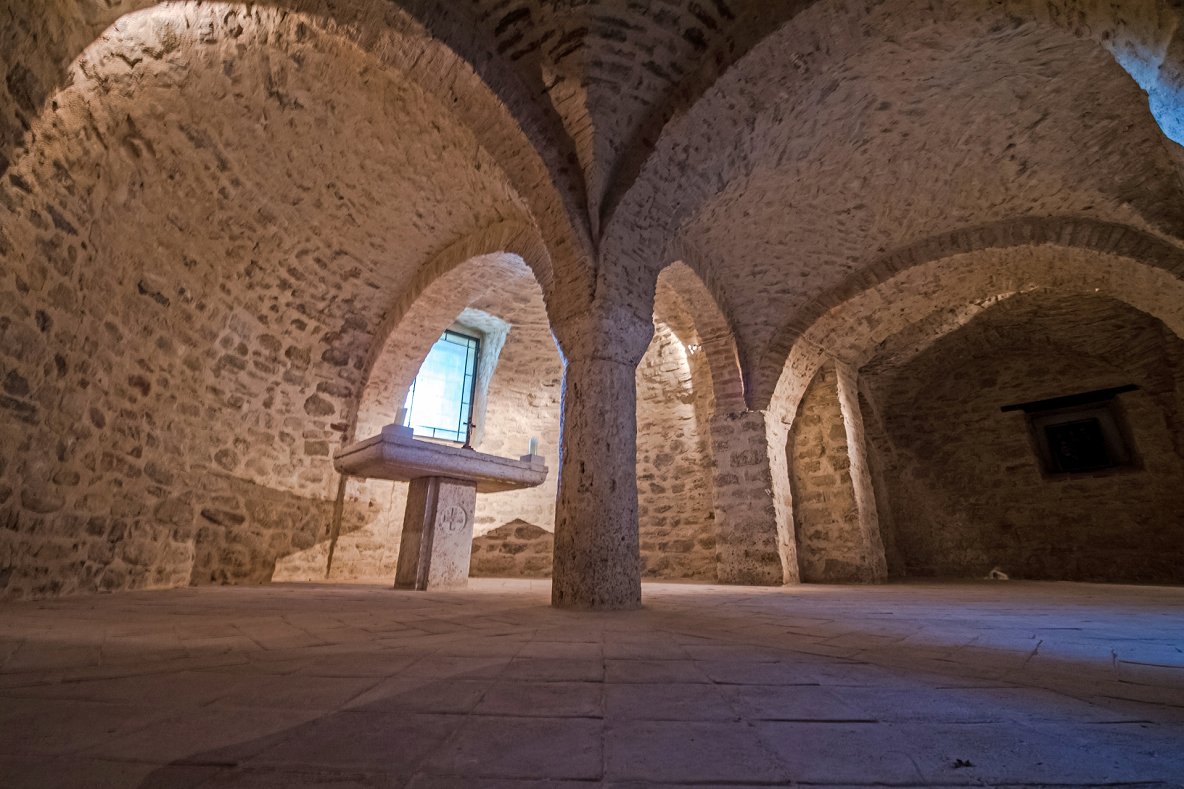
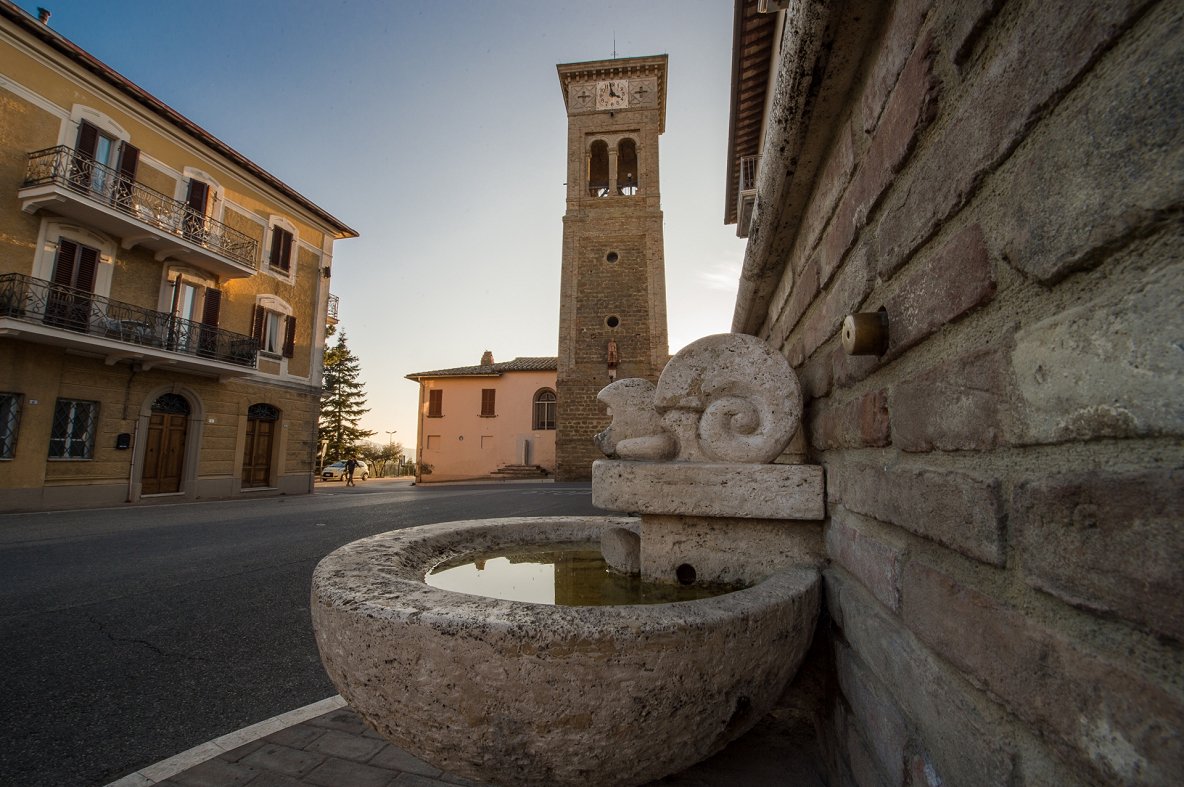
In terms of structure and location, the oil mill was an integral and constituent part of the adjacent 17th-century church of Santa Maria della Pace, and was purchased by the previous owners during the sale of ecclesiastical property forfeited by the Italian State after the Unification of Italy. Evidence of this can be found in the artefacts unearthed during the various renovations of the property over the various periods, and in a work register dated 1880 and kept on the farm.The farm is located in the municipality of Massa Martana, in a hilly and peri-urban area; the oil mill has always carried out olive processing activities both for its own account and for third parties, and it is also for this reason that around the 1980s, the 9-hectare agricultural area close to the structure was entirely destined to olive groves, with a project supported and partly financed by the CNR (National Research Council) of Perugia, and an experimental olive grove was thus planted with a 3X3 spacing, drip irrigation, single cone pruning for a total of about 1500 trees. The remaining olive grove was maintained, partly renewed (3000 trees in total). The cultivars present range from leccino, fecciaro and moraiolo, and in 1999 the olive grove was registered with the Umbria PDO. The 1985 frost forced the cutting of the entire olive grove, so the existing one is the result of a rebirth that has seen the return of the 6X6 planting system, the abandonment of single-cone pruning and the return of vase pruning. Harvesting, also considering the flat nature of the land, is carried out by hand or with sticks, and the land is also always moved for mowing the grass. The harvested product is processed at the oil mill within 24 to 48 hours after harvesting. The structure of the current mill and the organisation of the processing areas are the result of some interventions made necessary after the 1997 earthquake. The continuous cycle 2/3-phase plant is a Pieralisi M2 with a working capacity of 10/12 quintals per hour. There is no storage of the product as the small or large producers are all on site, they book in and quickly bring the olives to the mill after harvesting.

Continue

DESCRIZIONE DELLE FASI

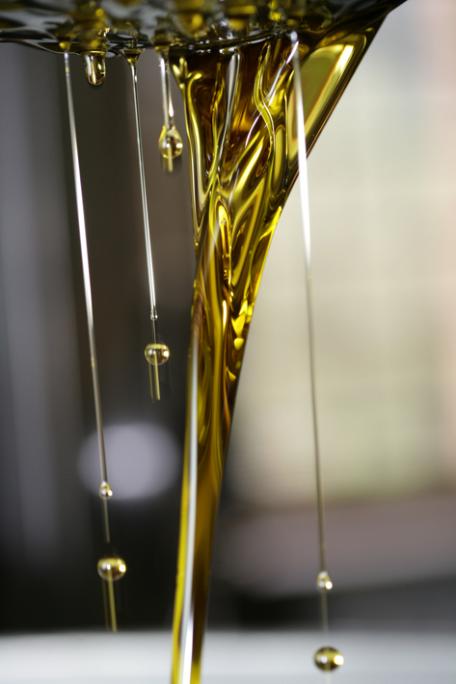
Descrizione dell’olio come prodottoLe 7 fasi dell’assaggio (osserva- scalda- annusa-gusta-aspira- espelli)Riconoscere la qualità dell’olio abbinando olfatto e gustoProvare a dare un attributo negativo o positivo ad un olio (morchia, rancido, morchia/amaro piccante, fruttato)

Contract terms

PERIODO DI REALIZZAZIONE

Tutto l’anno

What is included
  • TIMING AND STRUCTURING OF TOPICS

WelcomeDescription of the companyPresentation of the person in charge of the course (oil taster)Practical tasting workshopMerenda2 hrs. total activity

  • METHODS

Interactive frontal lessonPractical tasting workshop

  • TOOLS

Interactive materialTechnical papers on oil evaluationOil tasting glasses

  • PROFESSIONAL FIGURES

Educational Farm Operator, Oil Taster

Requirements

none

Number of participants
Minimum number of participants: 1
Maximum number of participants: 15
Requested time
02:00 Hours
Numero massimo di persone
15 Persons
Type of user
  • Bambini Scuola dell' Infanzia (3-6 anni)
  • Ragazzi Scuola Secondaria di 1° grado (11-13 anni)
  • Ragazzi Scuola Secondaria di 2° grado (14-19 anni)
  • Famiglie con bambini
  • Adulti
  • Bambini Scuola Primaria (6-10 anni)
Contact
Fax
Address
Via della Pace, 86 (06056) Massa Martana PG