

Accomodation - I borghi delle due valli
Dove dormire Dove dormire 


Housing
4
Services
Children's play area Wi-Fi Swimming-pool In suburbs Air conditioning
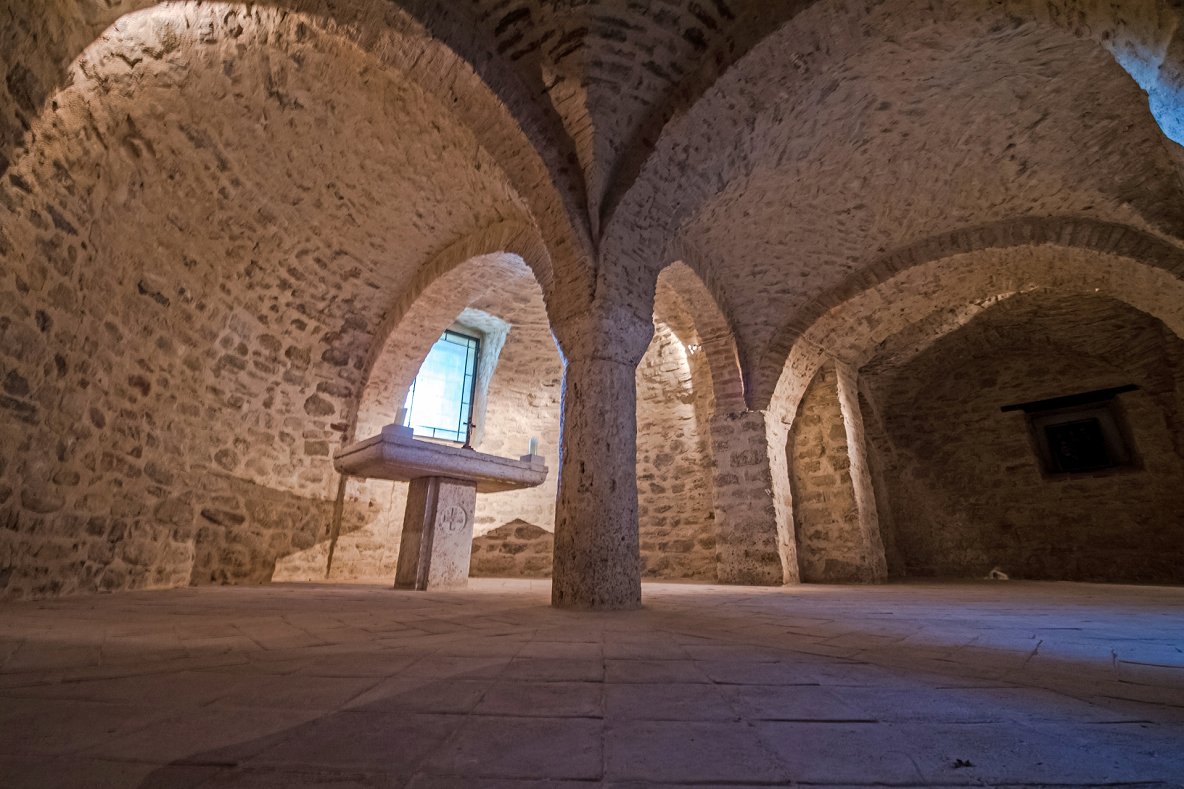
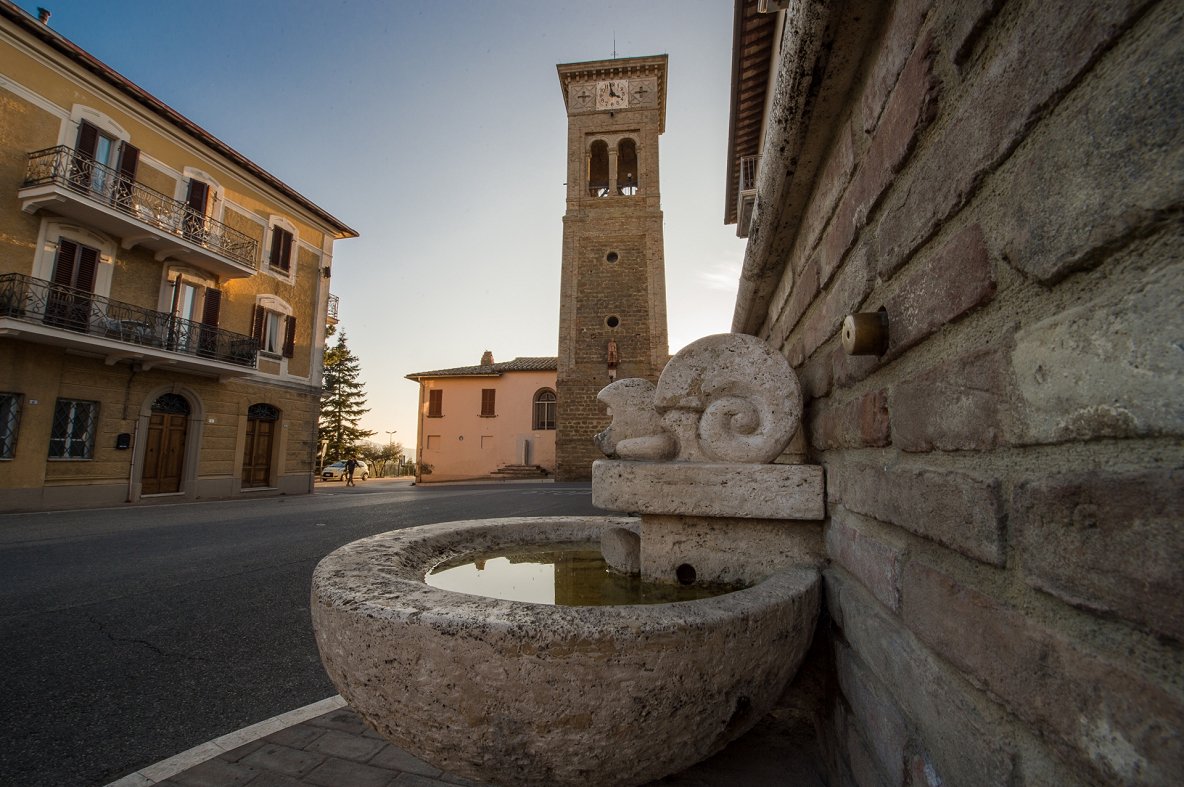
The 'castrum' dates back to the 14th century. From a parchment of 1380, it appears that the castle was previously called 'Villa di S. Giovanni di Panaria'.The entire small nucleus has a quadrangular plan, crossed by a single internal road axis, onto which the dwellings face. The walled houses leaned against each other, protecting the entire building. The first entrance door was reinforced and the holes and iron pins can still be seen. Two other consecutive gates allow access to the castle and on the lintel of one of them a coat of arms is preserved.There are still some sighting loopholes from where the soldiers countered enemy attacks with small firearms, such as crossbows. Going up the road to the castle, one can see the church of San Giovanni di Panaria.Like the church of San Sabino and the church of San Brizio, it is linked to the fascinating legends of early Christianity in Umbria and Spoleto. St John of Panaria came to the territory of Spoleto together with St Isaac in the 5th century. He chose as his refuge a tree that the bishop of Spoleto Giovanni (11th century) saw blooming in winter. Amazed by such a miracle, he had a monastery built on the site of the miracle. The church built in the 12th century is today reduced to ruins. The simple façade housed, until 1978, a 5th-century marble bust of a man (now in the Diocesan Museum in Spoleto) carved behind a torso of a cloaked woman from the Roman era. The bell tower is later than the original construction and dates back to the 13th-14th century. The interior, with a single nave with semicircular apse and raised presbytery, was entirely decorated with frescoes. The crypt held the stone sarcophagus with the remains of St John. The church cannot be visited.